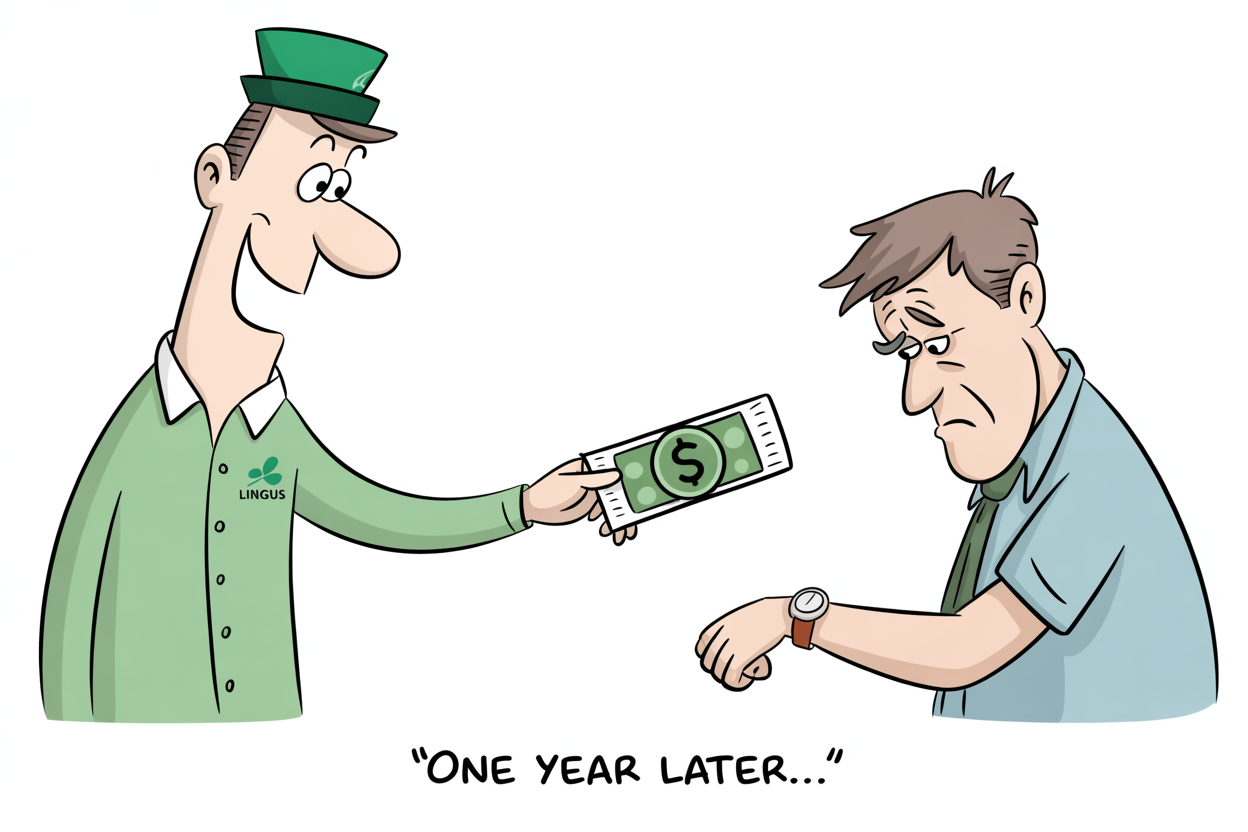
Illustration of an Aer Lingus representative offering a voucher to a frustrated customer checking his watch, with the caption “One year later…”

Aer Lingus issued her voucher but ghosted her husband for over a year

After a death in the family, Beatrijs Albarran and her husband Jorge had to cancel their Aer Lingus flights. The airline issued their refunds as vouchers, $938 for her and $925 for him, and emailed that both had been processed. But when Beatrijs called the next month to book a new trip, an agent told her Jorge’s voucher was never actually issued. The couple, who live in Buffalo, New York, wanted to fly from Toronto to Scotland because the fares are better, and asked whether the vouchers could be reissued in Canadian dollars. Beatrijs received hers in U.S. dollars within a reasonable time. Jorge’s never arrived. For more than a year she called repeatedly, hearing the same response that a supervisor was working on it, while automated emails said the case was under review. More than 15 months after Aer Lingus said it processed the voucher, it still had not appeared. Under Aer Lingus policy, vouchers are issued in the same currency as the original booking, so no conversion was needed to book from a Canadian airport, and the Department of Transportation requires airlines to process refund and credit requests promptly.
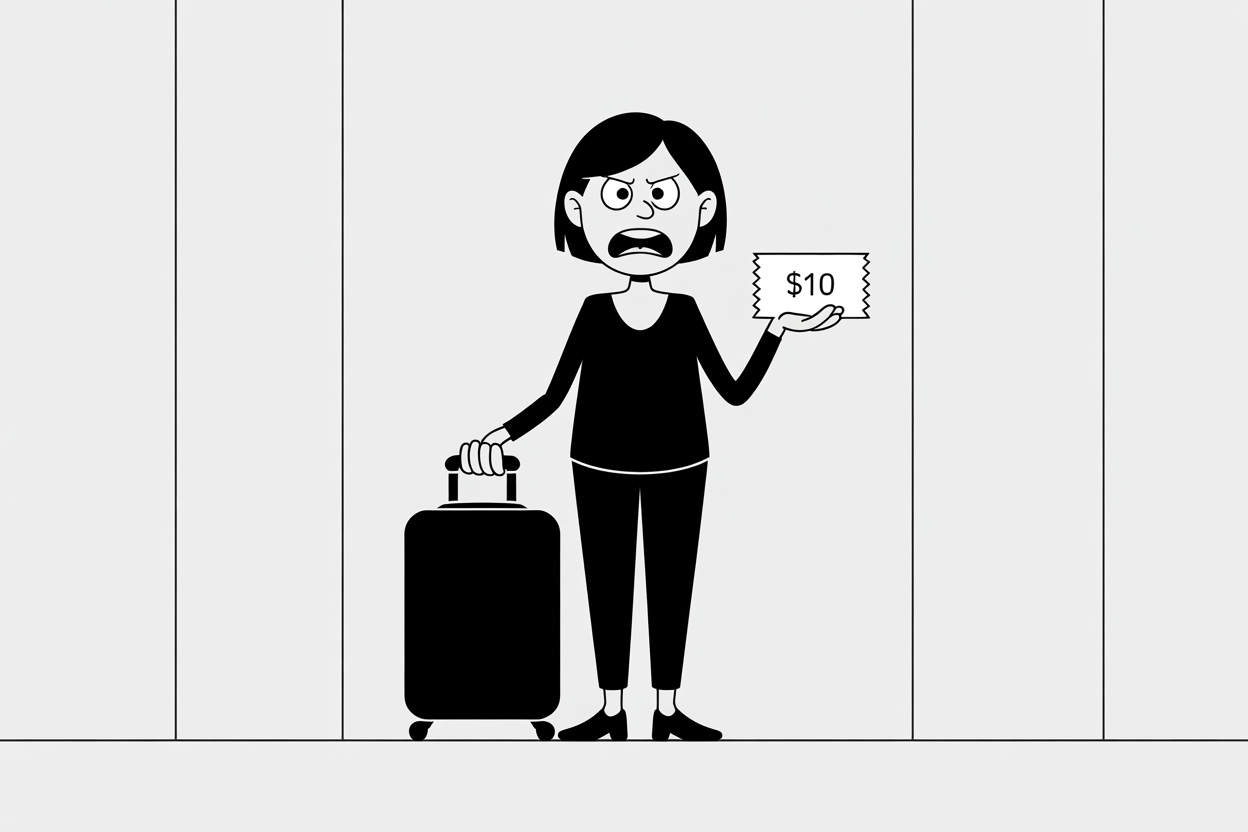

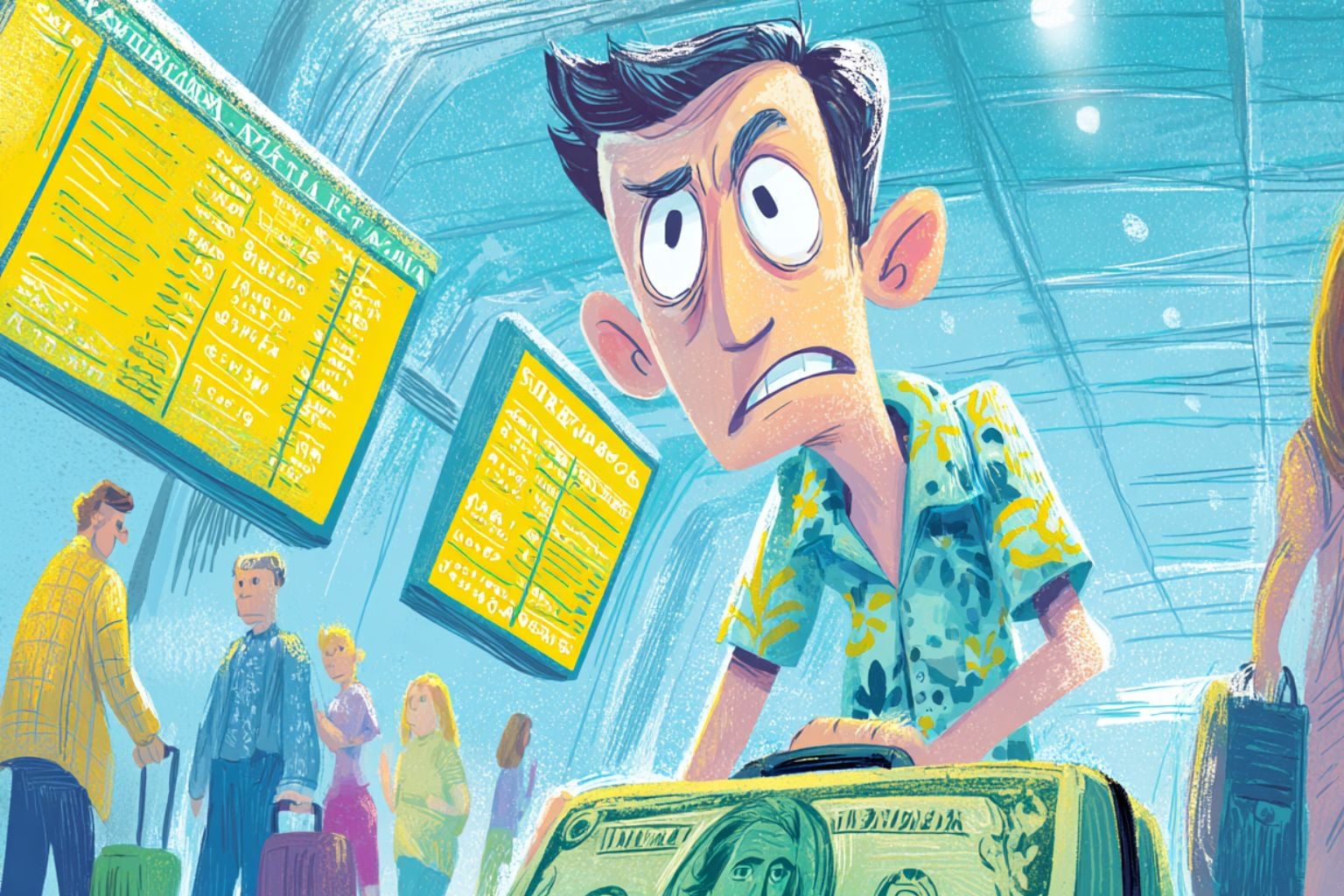
An angry airline passenger stands with a suitcase while holding a $10 voucher after a flight delay.

The delay tax: Why your airline voucher barely covers your expenses anymore 

When a flight is delayed or canceled, airlines cover only what they call duty of care: a meal voucher, sometimes a hotel, or a refund if the flight is canceled. Angela Justice received a $10 voucher after her Boston to Chicago flight was canceled. The real cost, the delay tax, is far larger. It includes nonrefundable hotels travelers cannot reach, lost wages, child care that keeps ticking, and the replacement flights passengers must book themselves when the airline’s rescheduling timeline proves useless. Airlines calculate compensation based on what it costs them to reschedule a flight, not what it costs the traveler to miss the reason they flew in the first place. The official story is that duty of care solves the problem and the Department of Transportation signs off. But the law was written in a different era, when travel was simpler and airlines were more generous, and regulators have not caught up now that delays are chronic and carriers watch every penny.

Soft pastel digital illustration of a young teenage girl with a messy brown bun and large worried eyes standing alone with her arms crossed and a small brown shoulder bag, beside her dark blue rolling suitcase, in the middle of a busy blurred airport terminal with other travelers and luggage in the background, illustrating a 13-year-old unaccompanied minor stranded at LAX after United Airlines denied boarding for a connecting flight the airline itself had authorized

United authorized my teen’s connecting flight, then left her stranded at LAX

Shiri Willcot’s travel agent tried to book her 13-year-old daughter Ryan on a connecting flight from Los Angeles to Costa Rica via Houston, but United Airlines policy prohibits unaccompanied minors ages 5 to 14 on connecting flights. A United supervisor overrode the system, approved the reservation, and charged Willcot’s credit card the $300 unaccompanied minor fee. The travel agent reconfirmed the booking twice before departure, and a United representative on a recorded call two days before the flight confirmed Ryan could board without issue. At LAX, United agents refused to let Ryan board. For a month afterward, United claimed no record of the original flight existed despite confirmation emails, the credit card charge, and the recorded call. The airline gave three contradicting explanations before settling on its final narrative blaming the travel agency.

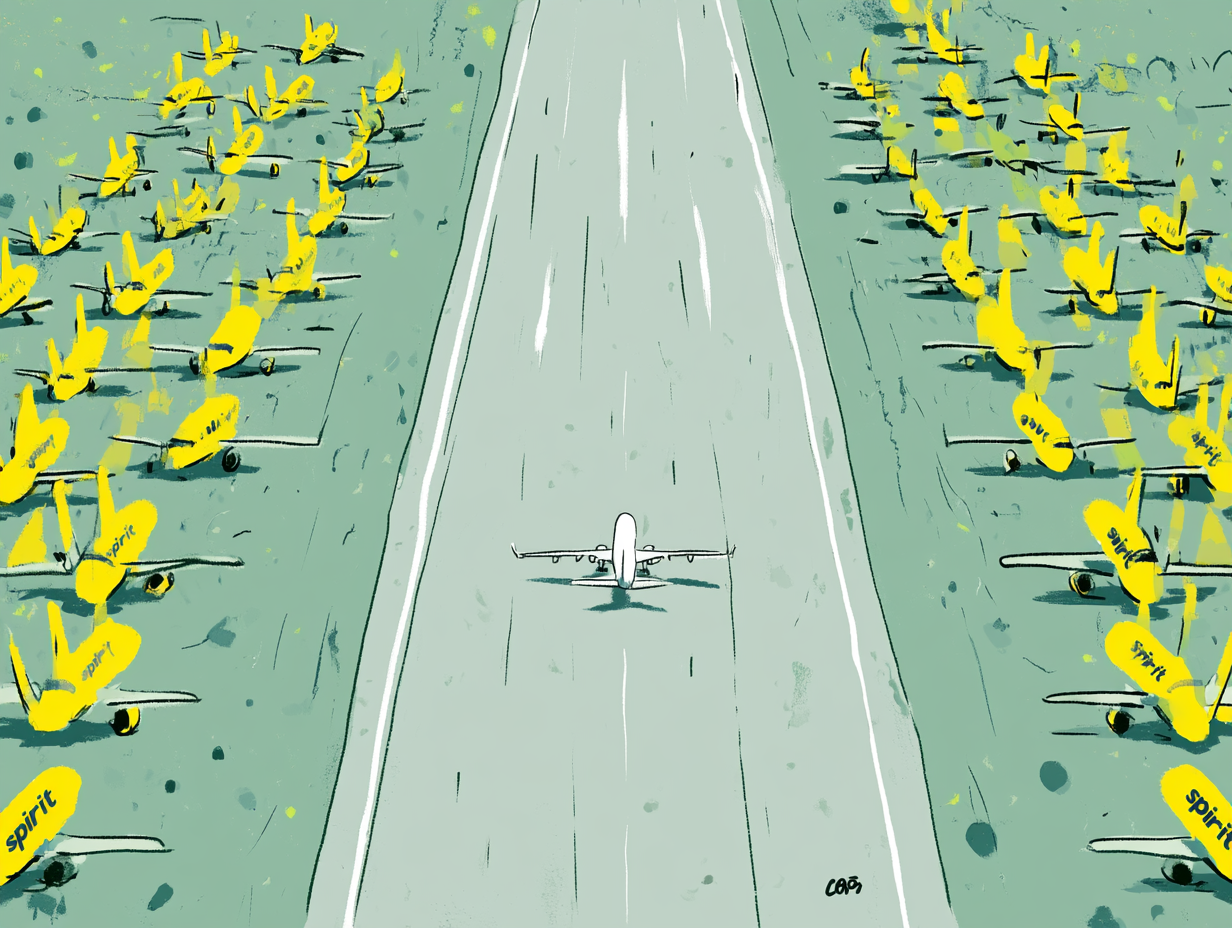
Editorial illustration showing a single white airplane taking off down a runway between two large fields of grounded yellow Spirit Airlines aircraft on either side, viewed from behind, illustrating how thousands of Spirit Airlines passengers were left stranded after the carrier's shutdown while one rescue flight departs without them

Spirit Airlines’ death shows why we need better passenger protections

Tens of thousands of Spirit Airlines passengers discovered their tickets were worthless this week after the carrier collapsed. JetBlue is reportedly in financial distress and several ultralow-cost carriers including Frontier, Allegiant, and Avelo have lined up at the federal aid window. Before deregulation in 1978, Rule 240 required airlines to put stranded passengers on a competitor’s next available flight at no extra cost. Congress brought a version back as Section 145 of the Aviation and Transportation Security Act after 9/11, but it expired in 2005. The DOT issued Order 2026-5-1 encouraging rescue fares but cannot compel airlines to honor competitor tickets without congressional action.

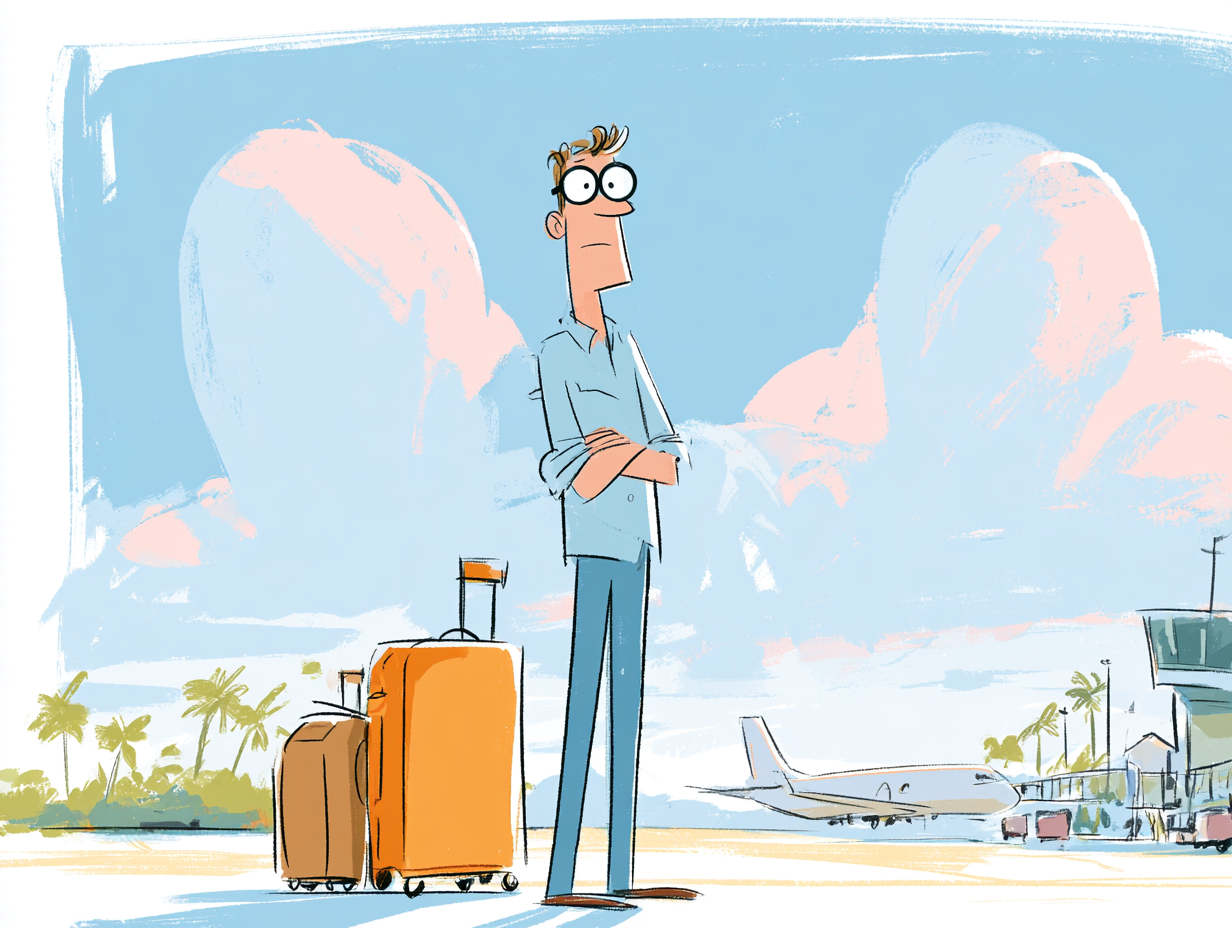
Editorial illustration showing a thin man with brown hair and round glasses standing with arms crossed next to two orange roller suitcases on an airport tarmac with palm trees and a small white airplane visible in the background, illustrating a passenger left stranded after an airline schedule change forced him to buy replacement flights at his own expense

Aeromexico offered him a “free” flight change. Then it refused to give him one.

Jorrit Muller booked Aeromexico flight 335 from Puerto Vallarta to Orlando for a wedding. Three months before departure, Aeromexico shifted his flight one hour earlier, into the reception time. The airline notified him that if the new flight did not work, he could move to another at no additional cost. When he tried to use that offer through Aeromexico’s WhatsApp support, the available flights were operated by Delta as code-share. An agent told him to request a refund instead, then Aeromexico denied the refund. Under DOT rules, a significant change for international travel requires a schedule shift of six hours or more.

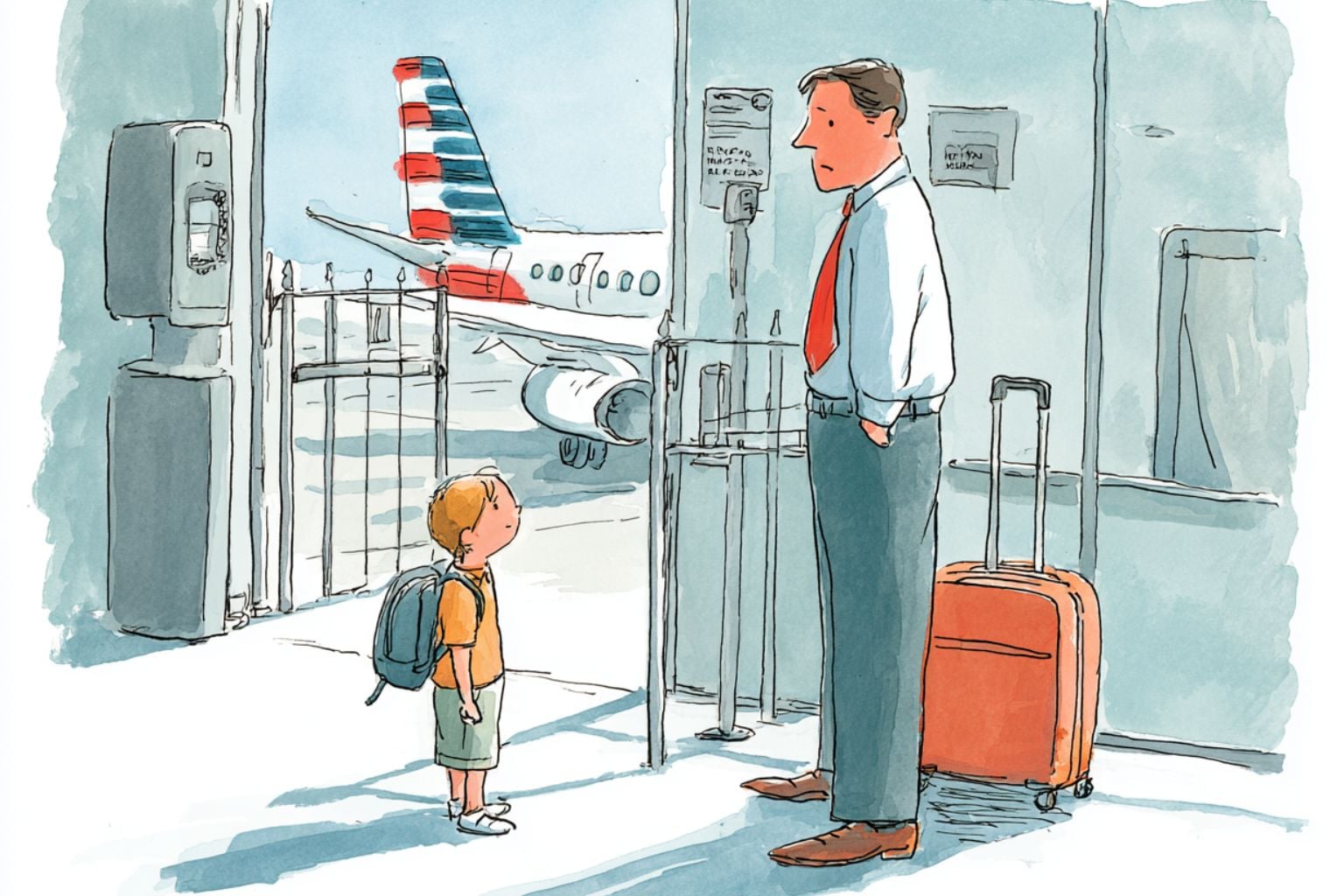
Watercolor editorial illustration of a father in a white shirt and red tie standing with his young son who carries a backpack at an American Airlines departure gate, with an American Airlines plane visible through the window beyond the closed gate door, illustrating how families get separated when airlines pull passengers from boarding lines and document involuntary bumping as voluntary

American Airlines claims I voluntarily gave up my seat, but that’s a lie

Charles Shearer was traveling from Cleveland to Japan for his mother-in-law’s funeral when American Airlines pulled him and his young son from the boarding line. His grieving wife boarded alone while gate agents offered $500 vouchers, with one even verbally acknowledging the bumping was involuntary. American later documented the incident as voluntary in its system, denying him the federal compensation of up to $2,150 per passenger that involuntary bumping triggers when passengers arrive over two hours late. Federal law mandates 400 percent of one-way fare in cash compensation, paid at the airport on the day of the flight.

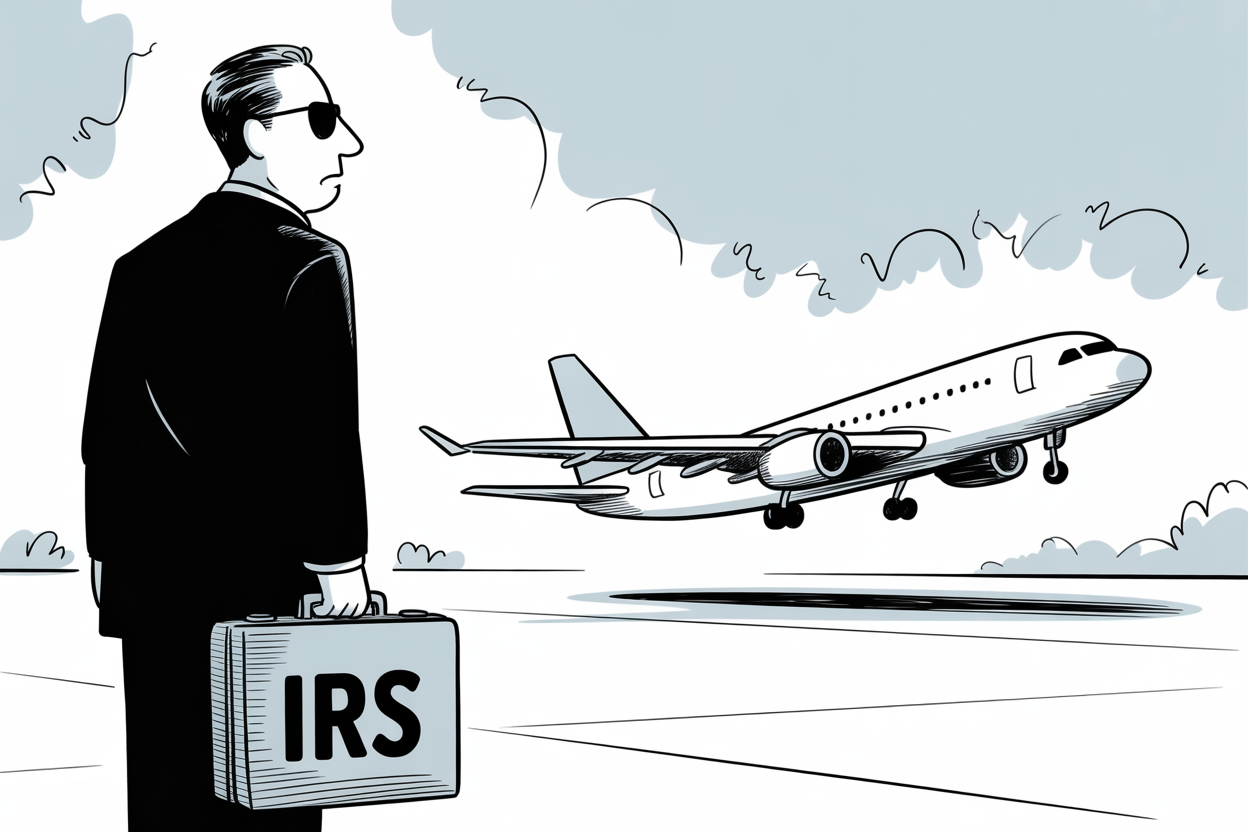
Editorial cartoon showing an IRS official in a dark suit holding a briefcase labeled "IRS" watching a commercial airplane taking off, depicting the tension between tax authorities and budget airlines seeking a tax holiday during the jet fuel crisis

Budget airlines want a tax holiday—but where’s yours?

The Association of Value Airlines, representing Spirit, Frontier, and Allegiant, is asking Congress to suspend the 7.5 percent federal excise tax on domestic tickets and the $5.30 per-segment fee, citing the jet fuel crisis following the Iran war. On a typical $369 roundtrip fare, passengers already pay roughly $47 in mandatory taxes and fees, inflating ticket prices by about 13 percent. Without a requirement to pass savings to consumers, any tax holiday would function as a corporate subsidy rather than traveler relief.

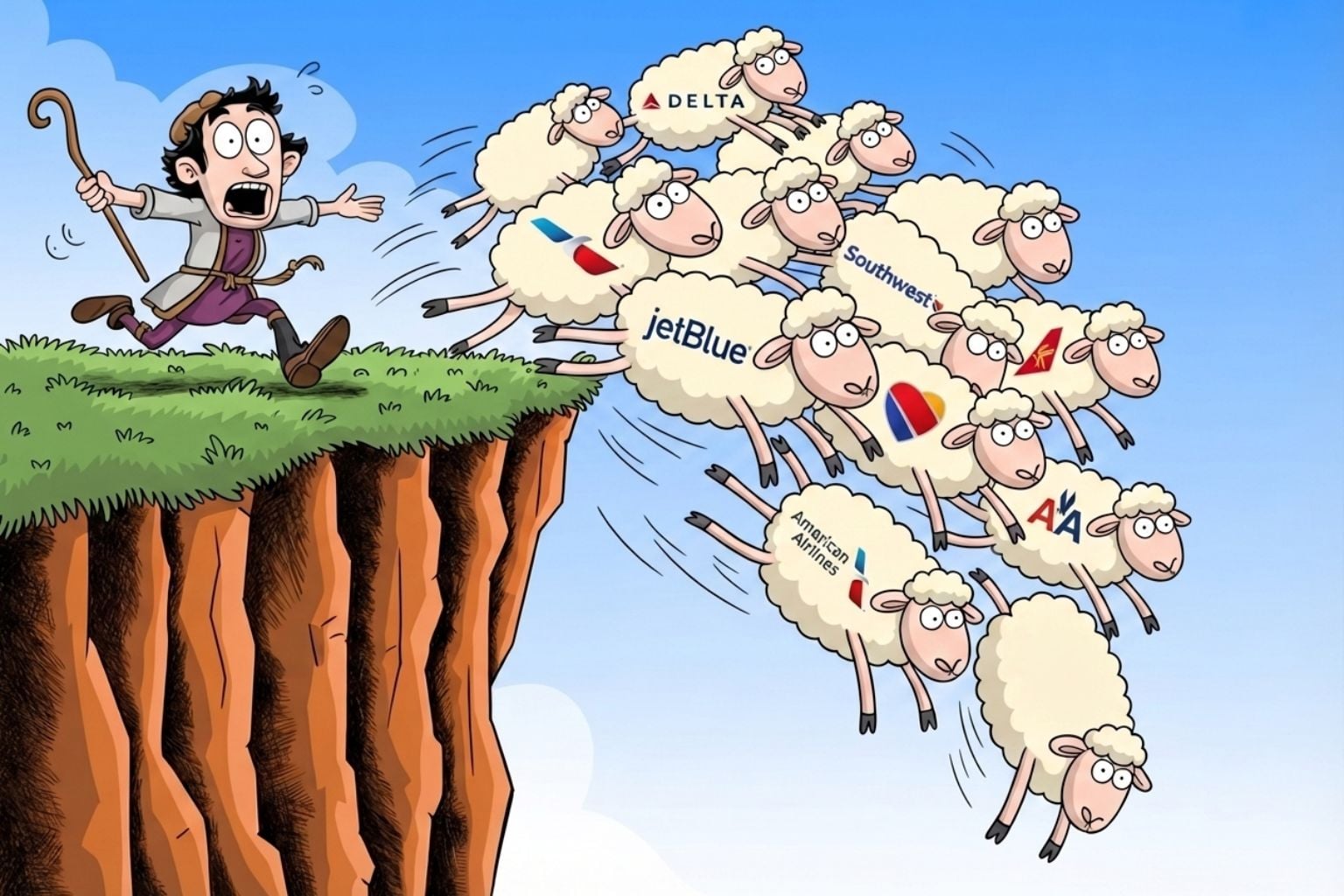
Cartoon of a shepherd watching sheep branded with airline logos (Delta, American, JetBlue, Southwest) jump off a cliff, illustrating airlines following each other on fuel surcharges

Your airline is lying to you about fuel surcharges

Airlines sure have a funny way of saying thank you. 

After you spend years obsessively funneling every purchase through their co-branded credit cards and sitting in its cramped economy class seats, you finally go to redeem your “free” flight—only to find a $1,400 bill waiting for you at checkout.