Black and white cartoon of a woman with wild, disheveled hair glaring angrily near an airport check-in counter as a wary uniformed agent watches her from behind the desk. airline blacklist

Is it time for an international blacklist of problem passengers?

If an airline bans you for screaming at a flight attendant or trying to open a door at altitude, you can usually walk to a competitor’s counter and buy a ticket. Britain wants to put an end to that, and its actions may ripple across the Atlantic. The Department for Transport and the Home Office are reportedly working on a national system that would let UK airlines share details of serious offenders, so a person barred by one carrier could be flagged at check-in by another. A trade group has welcomed it, and a budget carrier has been lobbying for exactly this kind of database. On its face it sounds like common sense: keep the dangerous few off everyone’s planes. But a shared ban list raises harder questions than the headlines admit, starting with the ones that decide whether it protects passengers or quietly turns into something else: who decides who belongs on it, what counts as unruly, and if an airline flags you and you think it is wrong, who exactly do you appeal to?

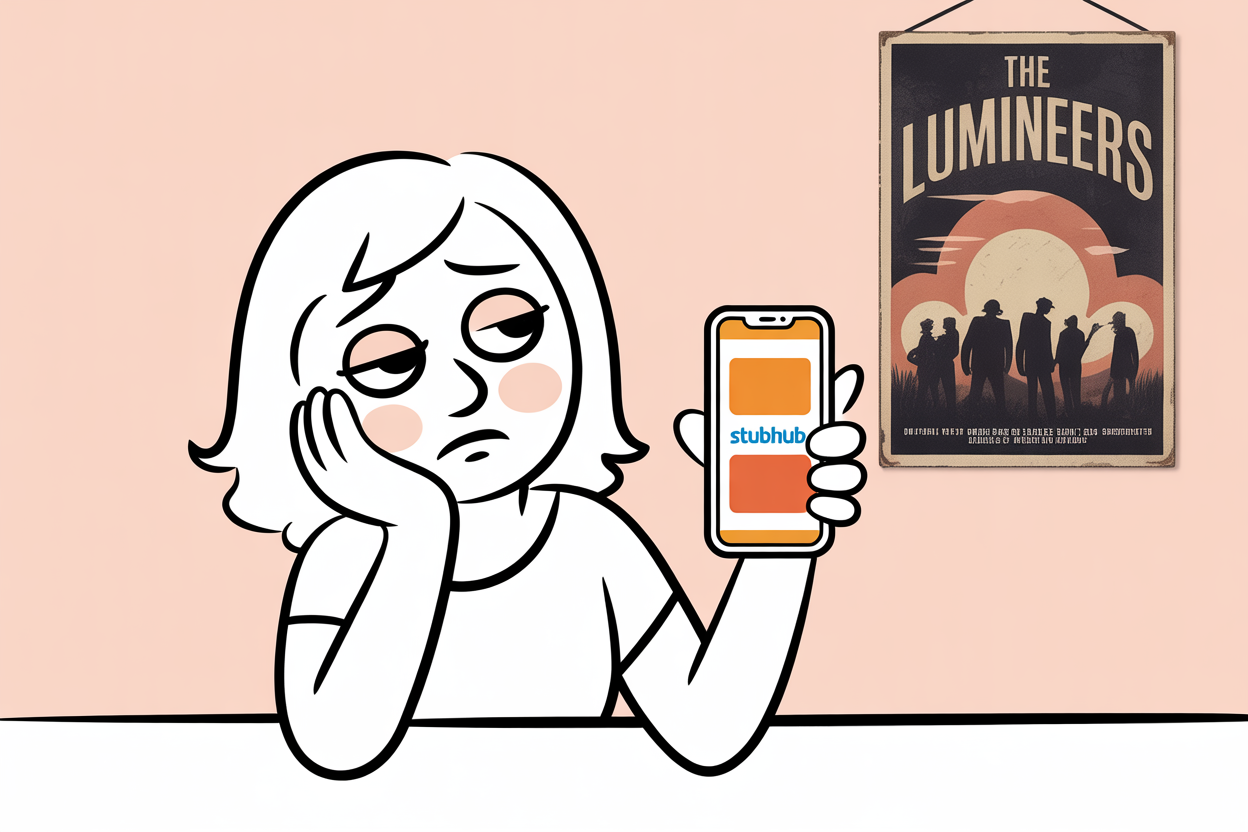
Editorial cartoon of a disappointed woman with shoulder-length hair resting her chin on her hand while holding up a smartphone showing the orange StubHub app, seated at a table against a pink wall with a vintage-style concert poster for The Lumineers hanging on the wall behind her, illustrating a frustrated concertgoer who received the wrong tickets and struggled to get a refund through StubHub's confusing return policy

Help! StubHub’s confusing ticket return policy cost me $1,176

Sharon McMonagle paid $1,176 for four club section tickets to a Lumineers concert through StubHub. The confirmation email included no seat numbers, and the day before the show StubHub sent tickets for a completely different section with no club access. StubHub asked her to accept the wrong tickets and transfer them back, which she feared would lock her into ownership. An agent told her to send a screenshot proving she had not accepted the tickets. After 45 days, StubHub said she would receive nothing because she had not returned the tickets through Ticketmaster, tickets she never accepted in the first place. StubHub advertises a FanProtect Guarantee promising that buyers who do not receive the tickets they ordered will get comparable replacements or a full refund.

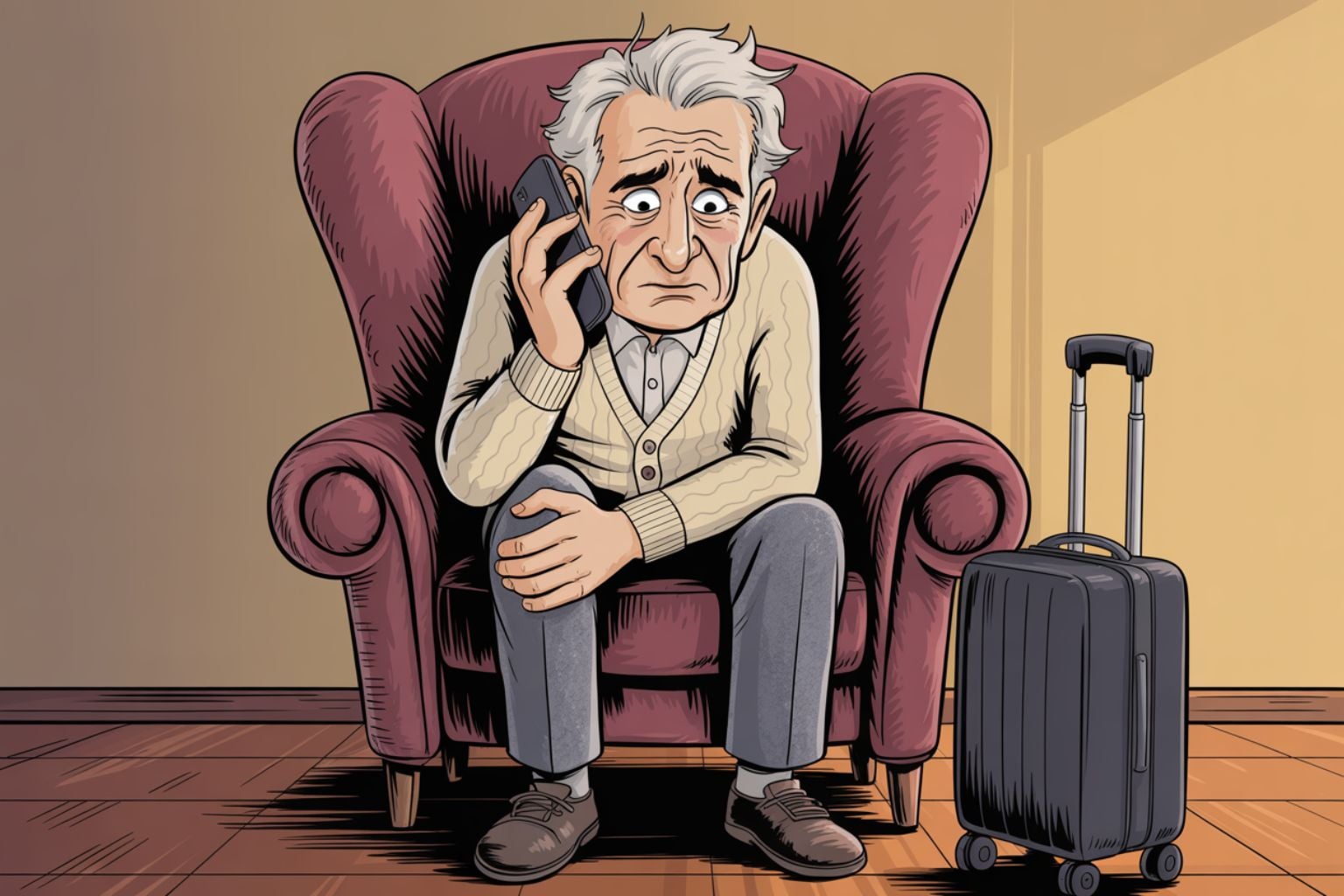
Editorial cartoon showing a worried elderly gray-haired man in a beige cardigan and gray trousers sitting in a dark red armchair with his hand on his sore right knee while holding a cell phone to his ear, with a black wheeled suitcase standing nearby on the hardwood floor, illustrating a senior traveler trying to secure a medical refund after a hip condition forced him to cancel a transatlantic flight

Why is ITA Airways making it impossible to get a medical refund?

Daniel Lichtblau booked two ITA Airways tickets from Chicago to Turin four months in advance. Shortly after booking, he learned he could not travel due to primary osteoarthritis in his right hip. He submitted a medical certificate from his orthopedic surgeon covering the travel dates and requested a refund for his ticket and a date change for his wife’s ticket. ITA Airways initially confirmed receipt of the documentation, then denied the refund claiming the certificate lacked a prognosis specifying the exact dates of inability to travel. The airline refused to specify what additional language was required. Under U.S. and state consumer protection laws, airlines must provide accurate guidance about their refund requirements.

Editorial cartoon illustration of an exasperated young man with messy brown hair and large round glasses looking upward in defeat while surrounded by towering stacks of white paper documents piled high on both sides and in front of him, illustrating the frustration of repeatedly submitting the same documents to a travel insurance company that refuses to process the claim

Why is my insurance company asking for the same documents over and over and over?

John Christensen developed Deep Vein Thrombosis after his flight from Albuquerque to Auckland. He spent three days hospitalized in New Zealand and racked up $3,867 in medical bills before filing his Allianz Global Assistance travel insurance claim two weeks later. Five months passed while Allianz repeatedly asked for documents he had already submitted multiple times, with the claim status cycling back to “more information needed” without explanation. Most state insurance regulations require insurers to acknowledge claim receipt within 15 days and approve or deny within 30 to 45 days of receiving complete documentation. State insurance commissioners handle consumer complaints when insurers delay payment without specific explanation.

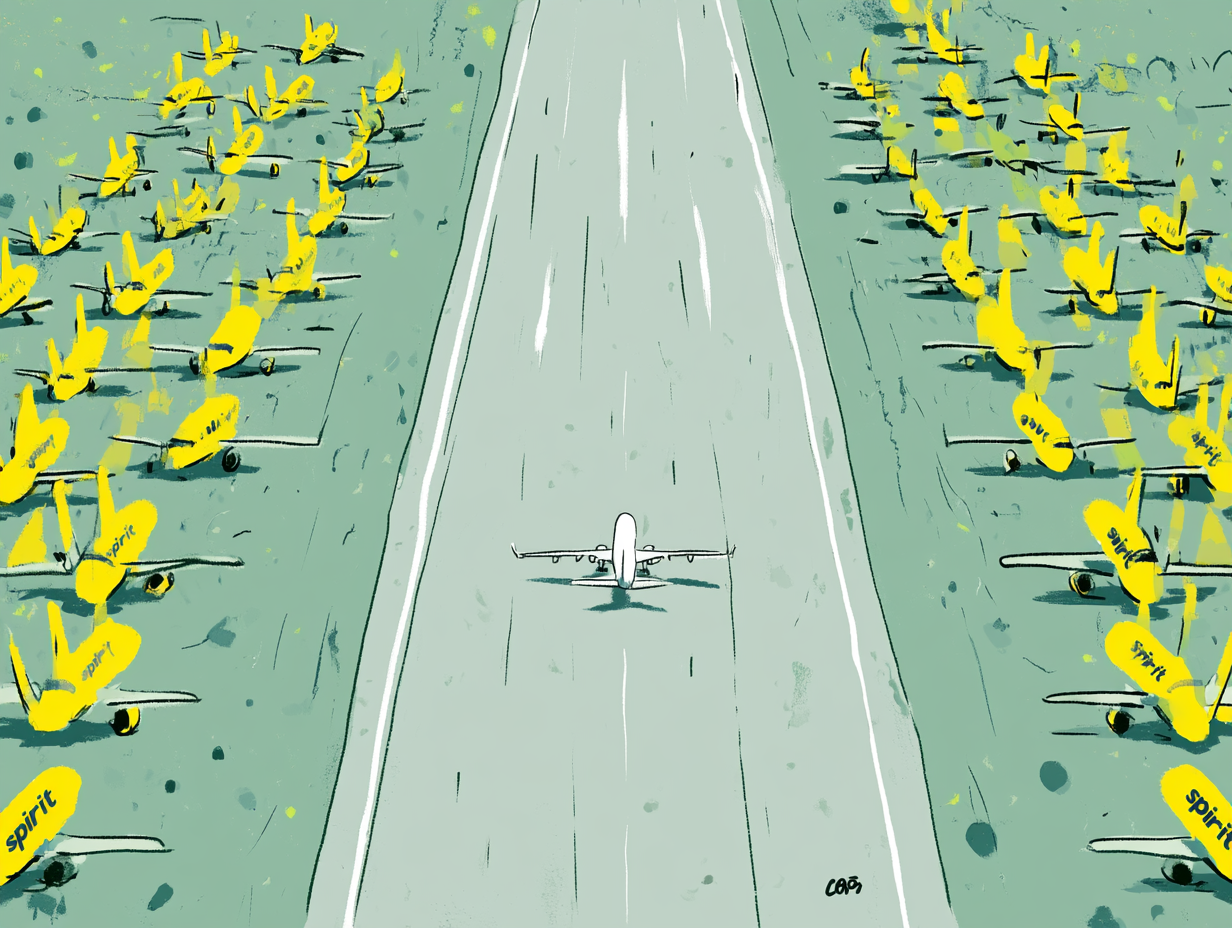
Editorial illustration showing a single white airplane taking off down a runway between two large fields of grounded yellow Spirit Airlines aircraft on either side, viewed from behind, illustrating how thousands of Spirit Airlines passengers were left stranded after the carrier's shutdown while one rescue flight departs without them

Spirit Airlines’ death shows why we need better passenger protections

Tens of thousands of Spirit Airlines passengers discovered their tickets were worthless this week after the carrier collapsed. JetBlue is reportedly in financial distress and several ultralow-cost carriers including Frontier, Allegiant, and Avelo have lined up at the federal aid window. Before deregulation in 1978, Rule 240 required airlines to put stranded passengers on a competitor’s next available flight at no extra cost. Congress brought a version back as Section 145 of the Aviation and Transportation Security Act after 9/11, but it expired in 2005. The DOT issued Order 2026-5-1 encouraging rescue fares but cannot compel airlines to honor competitor tickets without congressional action.

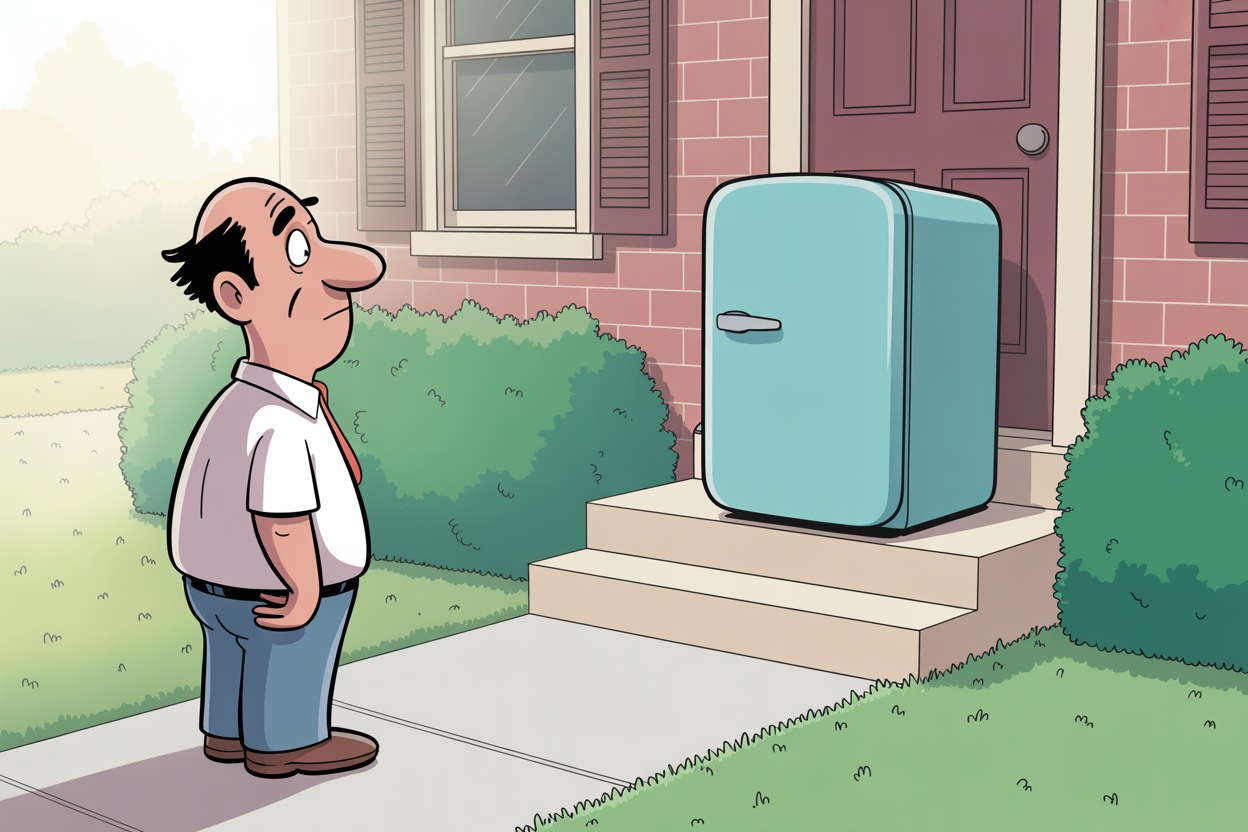
Editorial cartoon showing a confused balding middle-aged man in a white shirt and tie standing on his front lawn looking up at a small light blue mini refrigerator that has been mysteriously returned to his porch steps after being picked up by FedEx, illustrating how third-party seller returns can fail in unexpected ways

Walmart told me to donate my broken refrigerator — then things got strange

Howard Friedman bought a beverage refrigerator from Walmart that did not get cold. After Walmart arranged a return, his replacement came from third-party seller Ca’Lefort and also failed. FedEx picked up the broken refrigerator then mysteriously delivered it back to his porch days later. Ca’Lefort refused returns without original packaging and offered only 50 percent off a replacement. Walmart told him to donate the broken refrigerator to charity and promised a refund that never arrived. Multiple calls produced dropped calls and apologies but no resolution. Federal consumer protections under FTC rules apply even with third-party marketplace sellers.

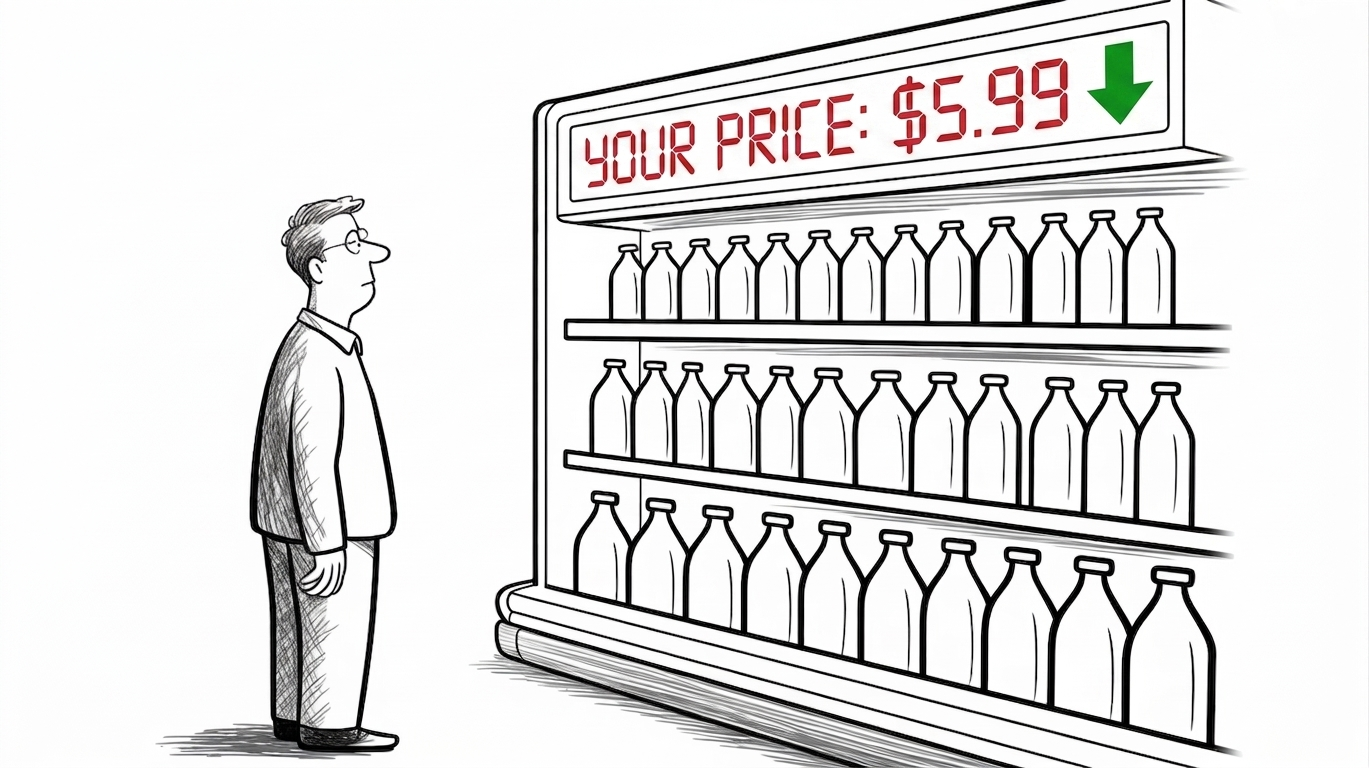
Editorial cartoon showing a man with glasses standing in front of a store shelf filled with bottles, looking up at a digital sign that displays "YOUR PRICE: $5.99" in red LED letters with a green arrow, illustrating how surveillance pricing creates personalized prices based on consumer data

Don’t ban surveillance pricing. Here’s how to fix it.

Surveillance pricing happens when companies use everything they know about you including location, browsing history, income, and device type to decide how much to charge you. The Federal Trade Commission documented eight major companies actively using or piloting surveillance pricing powered by third-party data brokers. Maryland is weighing a first-of-its-kind ban on the practice for groceries while JetBlue faces a federal lawsuit alleging it uses passenger data to raise fares. Disclosure requirements similar to the Equal Credit Opportunity Act would force companies to explain exactly what data they used to set custom prices.

Editorial cartoon showing a confused customer holding out a credit card to a stern rental car counter agent who raises her hand to refuse it, with parked cars visible through the window in the background, depicting how Europcar agents pressure customers into buying duplicate insurance and refuse third-party coverage

Hotels.com and Europcar charged me twice for a one-way rental. Can I get my money back?

Lawrence Signori prepaid Hotels.com $338 for a one-way Europcar rental in Porto, Portugal, with the one-way fee clearly included in his reservation. At pickup, the Europcar counter agent added $155 for the one-way fee, $155 for mandatory Premium Protection insurance, and a $97 Premium Station Surcharge despite his airport reservation. Europcar claimed only $243 of the prepayment was applied to the rental, with the rest going to Hotels.com as commission. Hotels.com initially provided only vague responses about the duplicate charges totaling $407.