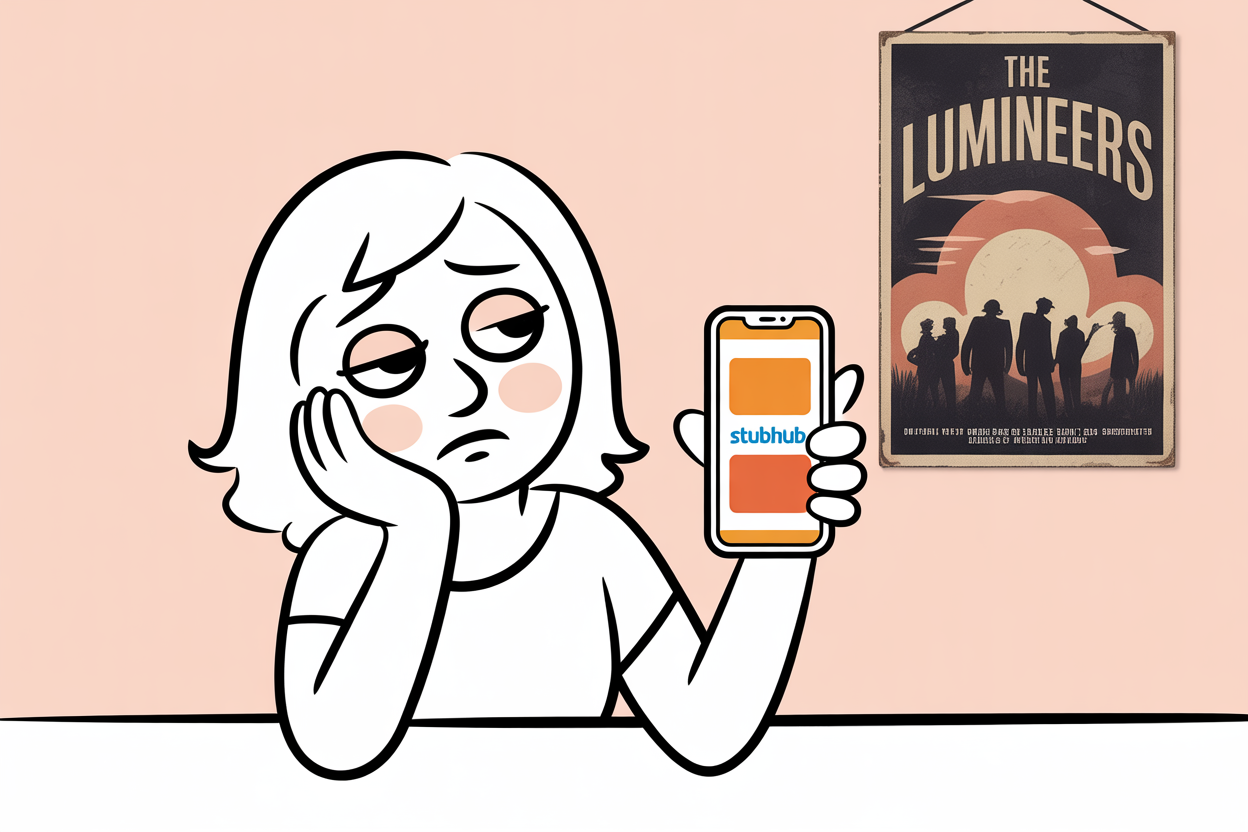
Editorial cartoon of a disappointed woman with shoulder-length hair resting her chin on her hand while holding up a smartphone showing the orange StubHub app, seated at a table against a pink wall with a vintage-style concert poster for The Lumineers hanging on the wall behind her, illustrating a frustrated concertgoer who received the wrong tickets and struggled to get a refund through StubHub's confusing return policy

Help! StubHub’s confusing ticket return policy cost me $1,176

Sharon McMonagle paid $1,176 for four club section tickets to a Lumineers concert through StubHub. The confirmation email included no seat numbers, and the day before the show StubHub sent tickets for a completely different section with no club access. StubHub asked her to accept the wrong tickets and transfer them back, which she feared would lock her into ownership. An agent told her to send a screenshot proving she had not accepted the tickets. After 45 days, StubHub said she would receive nothing because she had not returned the tickets through Ticketmaster, tickets she never accepted in the first place. StubHub advertises a FanProtect Guarantee promising that buyers who do not receive the tickets they ordered will get comparable replacements or a full refund.
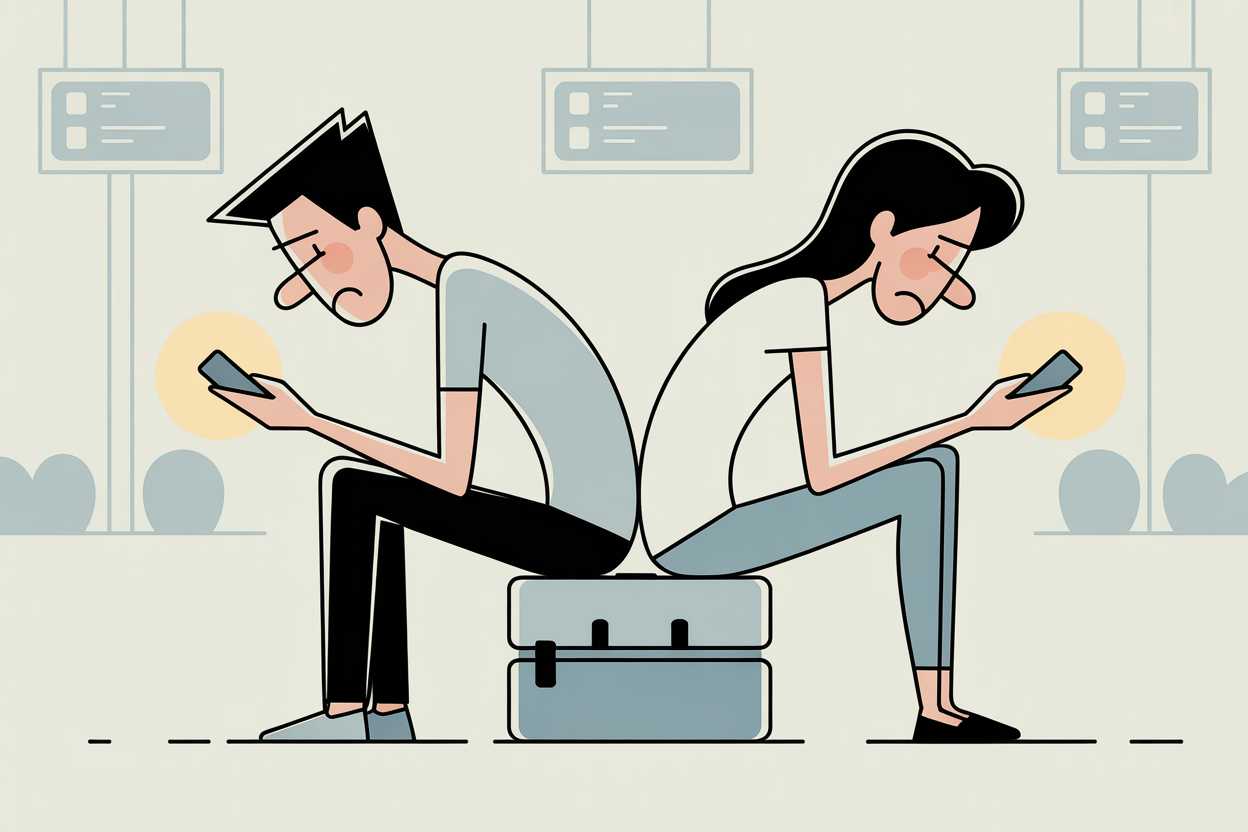

Minimalist editorial cartoon of a frustrated couple sitting back-to-back on a single gray suitcase in an airport terminal with their heads bowed, both staring at their smartphones with downcast expressions, surrounded by blurred information board signs in the background, illustrating a Cleveland couple's stressful return trip from Greece after Delta and Sky Express cascading booking errors forced them to pay for a new $435 ticket and recheck their luggage in Athens

An agent error turns a simple return trip into a costly odyssey. Will Delta fix it?

Robert Kempke and his wife flew from Cleveland to Athens with a return through Thessaloniki on Sky Express, a regional carrier booked through Delta. Their online check-in for the Sky Express flight was blocked because of a 185 euro balance linked to a duplicate third passenger using Kempke’s name. Sky Express refused to fix the error and told them Delta had to correct it. The Delta agent canceled and rebooked the Sky Express segment, which collapsed the entire return itinerary including the Athens to Cleveland flight. The Kempkes paid $435 for a new Aegean Air ticket to Athens, retrieved and rechecked their luggage, and rebooked their U.S. return. Delta initially promised a refund plus 12 euros for seat assignments, then denied the claim. Under U.S. Department of Transportation rules, passengers are entitled to automatic and prompt refunds for flights canceled by the airline. EU Regulation 261/2004 applies to flights within or departing the European Union.

Soft pastel digital illustration of a young teenage girl with a messy brown bun and large worried eyes standing alone with her arms crossed and a small brown shoulder bag, beside her dark blue rolling suitcase, in the middle of a busy blurred airport terminal with other travelers and luggage in the background, illustrating a 13-year-old unaccompanied minor stranded at LAX after United Airlines denied boarding for a connecting flight the airline itself had authorized

United authorized my teen’s connecting flight, then left her stranded at LAX

Shiri Willcot’s travel agent tried to book her 13-year-old daughter Ryan on a connecting flight from Los Angeles to Costa Rica via Houston, but United Airlines policy prohibits unaccompanied minors ages 5 to 14 on connecting flights. A United supervisor overrode the system, approved the reservation, and charged Willcot’s credit card the $300 unaccompanied minor fee. The travel agent reconfirmed the booking twice before departure, and a United representative on a recorded call two days before the flight confirmed Ryan could board without issue. At LAX, United agents refused to let Ryan board. For a month afterward, United claimed no record of the original flight existed despite confirmation emails, the credit card charge, and the recorded call. The airline gave three contradicting explanations before settling on its final narrative blaming the travel agency.

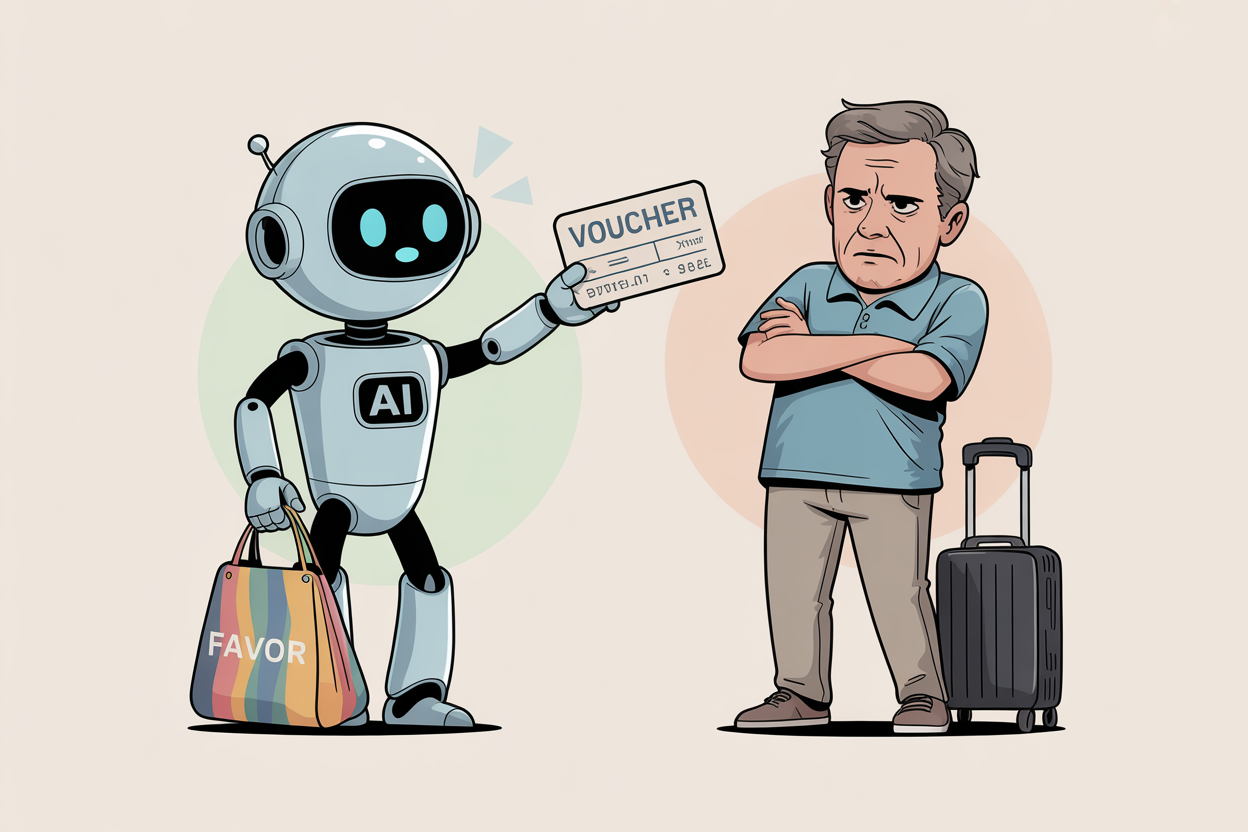
Editorial cartoon illustration of a smiling AI robot with "AI" labeled on its chest holding out a paper voucher in one hand and a colorful striped "Favor" shopping bag in the other, while a frustrated middle-aged man in a blue polo shirt stands with arms crossed next to his black rolling suitcase refusing the offer, illustrating how travel companies use automated systems to push customers into accepting vouchers instead of legally required cash refunds

Why are travel companies replacing real refunds with “coupon justice”?

Travel companies are increasingly replacing cash refunds with vouchers and goodwill credits when flights cancel, hotel rooms fail, and rental cars run out of vehicles. The practice exploded after the pandemic when companies pivoted to vouchers to hoard cash. The actual redemption rate for travel vouchers is below 10 percent, meaning a 90 percent chance the credit goes unused and the company keeps your money entirely. Under U.S. Department of Transportation rules, airlines must provide prompt refunds to your original form of payment when they cancel flights or make significant schedule changes. Airlines offering only vouchers without a genuine cash option violate these legal obligations. Hotels and online booking sites operate in a legal gray zone with few hard rules governing refund practices.

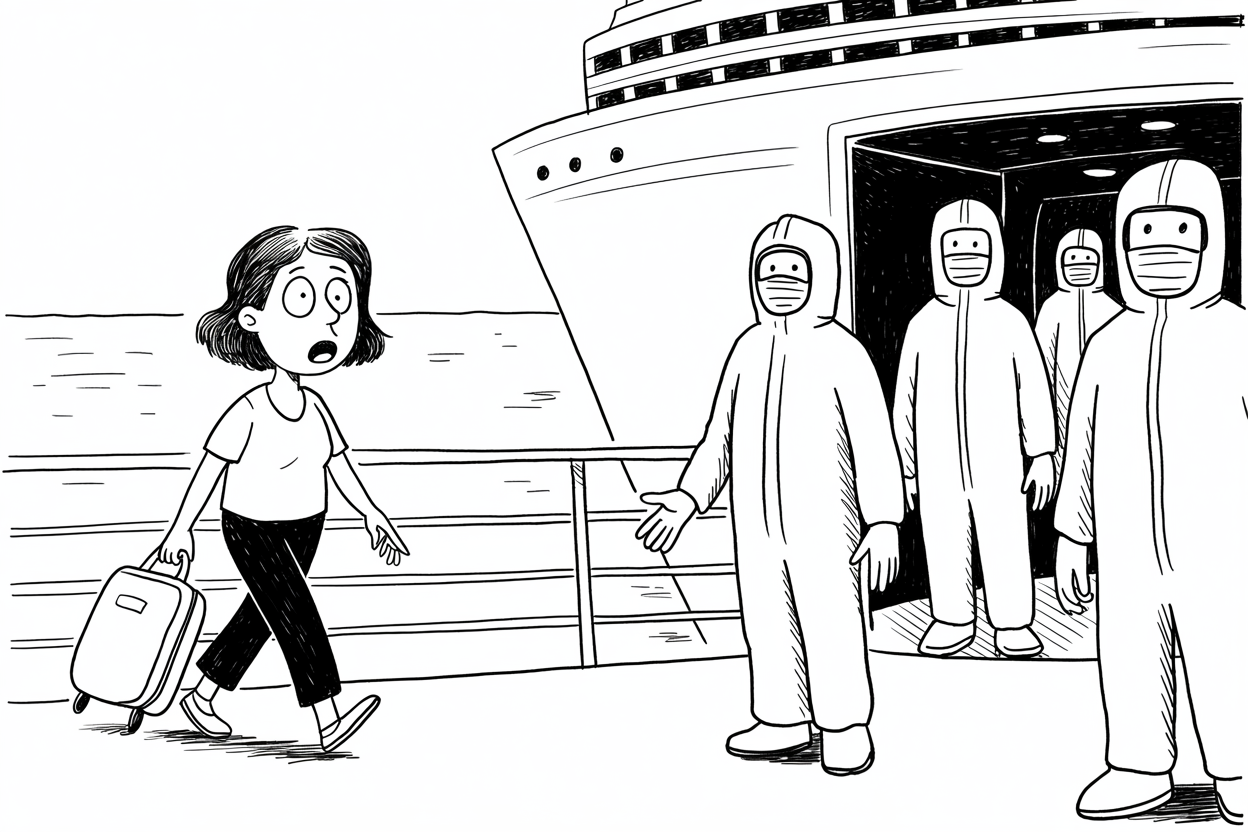
Black and white editorial cartoon showing a worried woman with short hair pulling a small rolling suitcase down a pier with her mouth open in alarm, while four masked workers in white hazmat suits stand in front of a large white cruise ship's open dark hold preparing to board, illustrating the cruise industry's mounting safety crisis of viral outbreaks, deaths, and federal scandals during summer 2026

This isn’t the summer for a cruise

A hantavirus outbreak on the Dutch MV Hondius killed three people and infected at least eight more, caused by the Andes virus strain, the only hantavirus known to spread person to person. The Caribbean Princess arrived in Port Canaveral with 102 passengers and 13 crew members sick from norovirus, the fourth gastrointestinal outbreak on a cruise ship this year. U.S. Customs and Border Protection detained 28 crew members at the Port of San Diego, with 27 allegedly involved in child sexual abuse material. The CDC Vessel Sanitation Program lost its full-time civilian staff a year ago, and its chief retired during the hantavirus outbreak. Most cruise ships sail under flags of convenience like Bermuda, Panama, the Bahamas, and Liberia, escaping U.S. labor, safety, and consumer protection laws.

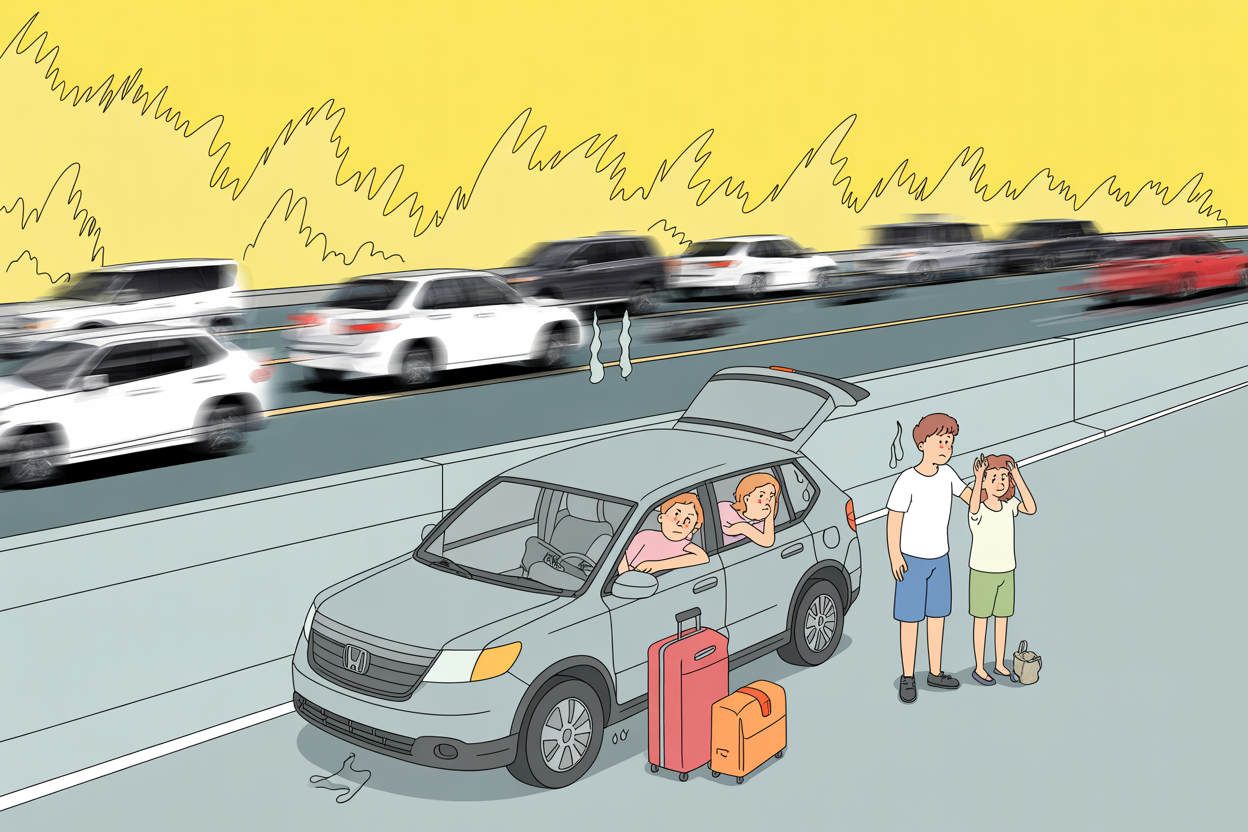
Editorial cartoon showing a stranded family of four standing next to a broken-down silver Honda SUV with steam rising from the hood and two orange suitcases by the open trunk, while traffic blurs past on a yellow-tinted highway under a sweltering yellow sky, illustrating the common summer road trip breakdown scenario between Memorial Day and Labor Day when heat stresses vehicle cooling systems, batteries, and tires

Summer road trip questions you never ask (but should)

Drivers face their 100 deadliest days between Memorial Day and Labor Day. Late August is one of the most common times for vehicle failures because cooling systems, batteries, tires, and belts have been stressed all season. Pavement temperatures can exceed 150 degrees Fahrenheit, hot enough to warp metal and disintegrate tires. Travel trailer blowouts are extremely common because many towable RVs use cheap tires with speed ratings of just 65 mph. 85 percent of drivers have roadside assistance, but only 18 percent actually use that coverage during a breakdown. Standard auto insurance does not cover mechanical breakdowns, and common towing mileage limits are as low as 15 miles before passengers pay out of pocket.

Editorial cartoon illustration of an exasperated young man with messy brown hair and large round glasses looking upward in defeat while surrounded by towering stacks of white paper documents piled high on both sides and in front of him, illustrating the frustration of repeatedly submitting the same documents to a travel insurance company that refuses to process the claim

Why is my insurance company asking for the same documents over and over and over?

John Christensen developed Deep Vein Thrombosis after his flight from Albuquerque to Auckland. He spent three days hospitalized in New Zealand and racked up $3,867 in medical bills before filing his Allianz Global Assistance travel insurance claim two weeks later. Five months passed while Allianz repeatedly asked for documents he had already submitted multiple times, with the claim status cycling back to “more information needed” without explanation. Most state insurance regulations require insurers to acknowledge claim receipt within 15 days and approve or deny within 30 to 45 days of receiving complete documentation. State insurance commissioners handle consumer complaints when insurers delay payment without specific explanation.

Editorial illustration showing four silhouetted figures with their hands raised to their heads in confusion or doubt, standing on concentric ring patterns and looking up at a large dark-blue globe of Earth with a giant white question mark hovering in front of it, illustrating how travelers are increasingly questioning the recommendations of professional travel experts in an age of paid influencers and commission-driven advice

Travelers are ignoring the advice of professionals. Here’s why that could be a mistake.

Travelers are increasingly skeptical of professional advice, ignoring travel agents who collect commissions, influencers paid by destinations, and points bloggers earning kickbacks from credit card companies. A Global Rescue survey shows 85 percent of travelers are concerned about geopolitical instability yet proceed with their plans despite the risks. Cautious skepticism is healthy when evaluating tourism-engine search results and influencer endorsements that dominate Google’s first page. But ignoring U.S. State Department advisories at Level 3 reconsider travel or Level 4 do not travel can lead to serious consequences. The chief medical officer at AXA Partners US says many travelers contract serious diseases and traumatic injuries in risky locations that were easily avoidable by following government advisories.

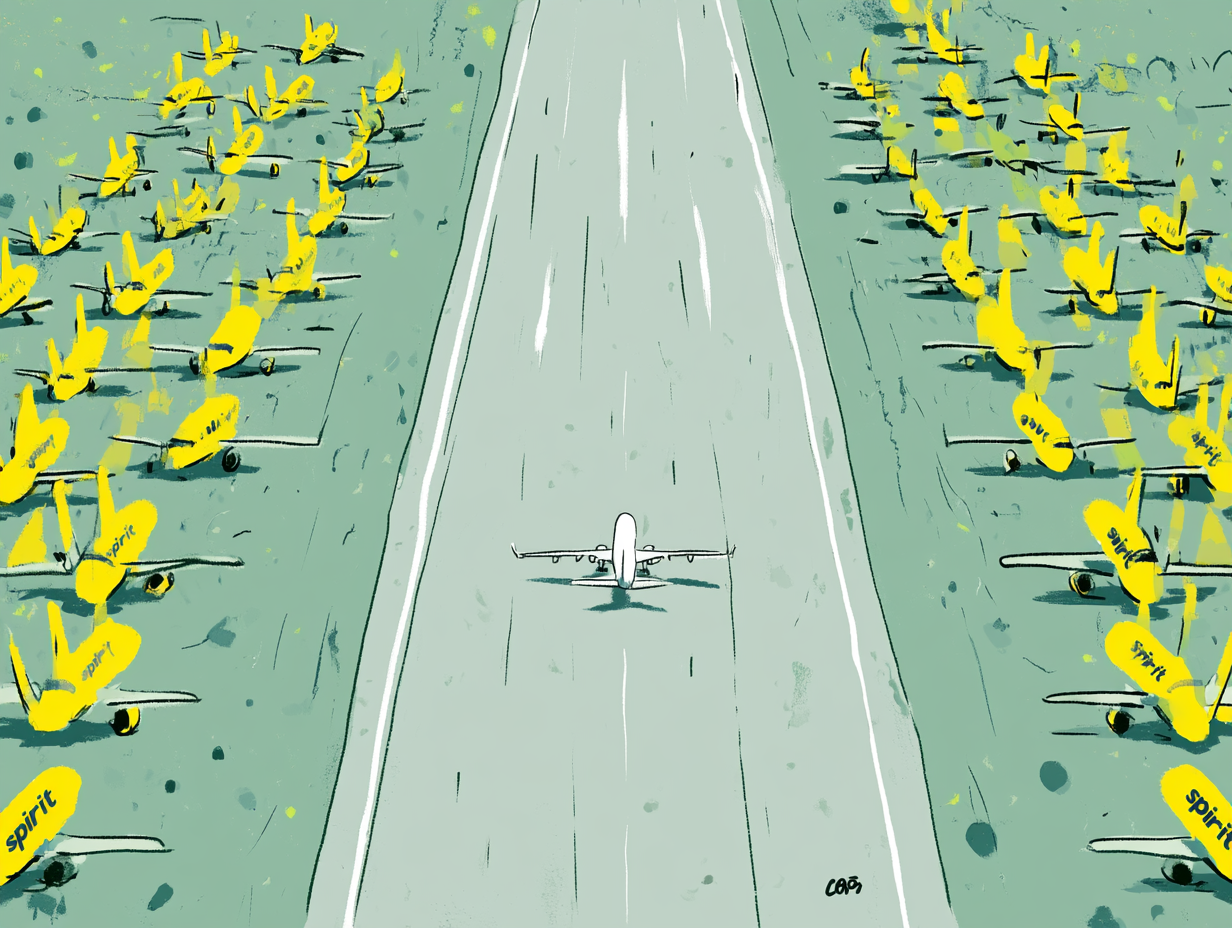
Editorial illustration showing a single white airplane taking off down a runway between two large fields of grounded yellow Spirit Airlines aircraft on either side, viewed from behind, illustrating how thousands of Spirit Airlines passengers were left stranded after the carrier's shutdown while one rescue flight departs without them

Spirit Airlines’ death shows why we need better passenger protections

Tens of thousands of Spirit Airlines passengers discovered their tickets were worthless this week after the carrier collapsed. JetBlue is reportedly in financial distress and several ultralow-cost carriers including Frontier, Allegiant, and Avelo have lined up at the federal aid window. Before deregulation in 1978, Rule 240 required airlines to put stranded passengers on a competitor’s next available flight at no extra cost. Congress brought a version back as Section 145 of the Aviation and Transportation Security Act after 9/11, but it expired in 2005. The DOT issued Order 2026-5-1 encouraging rescue fares but cannot compel airlines to honor competitor tickets without congressional action.