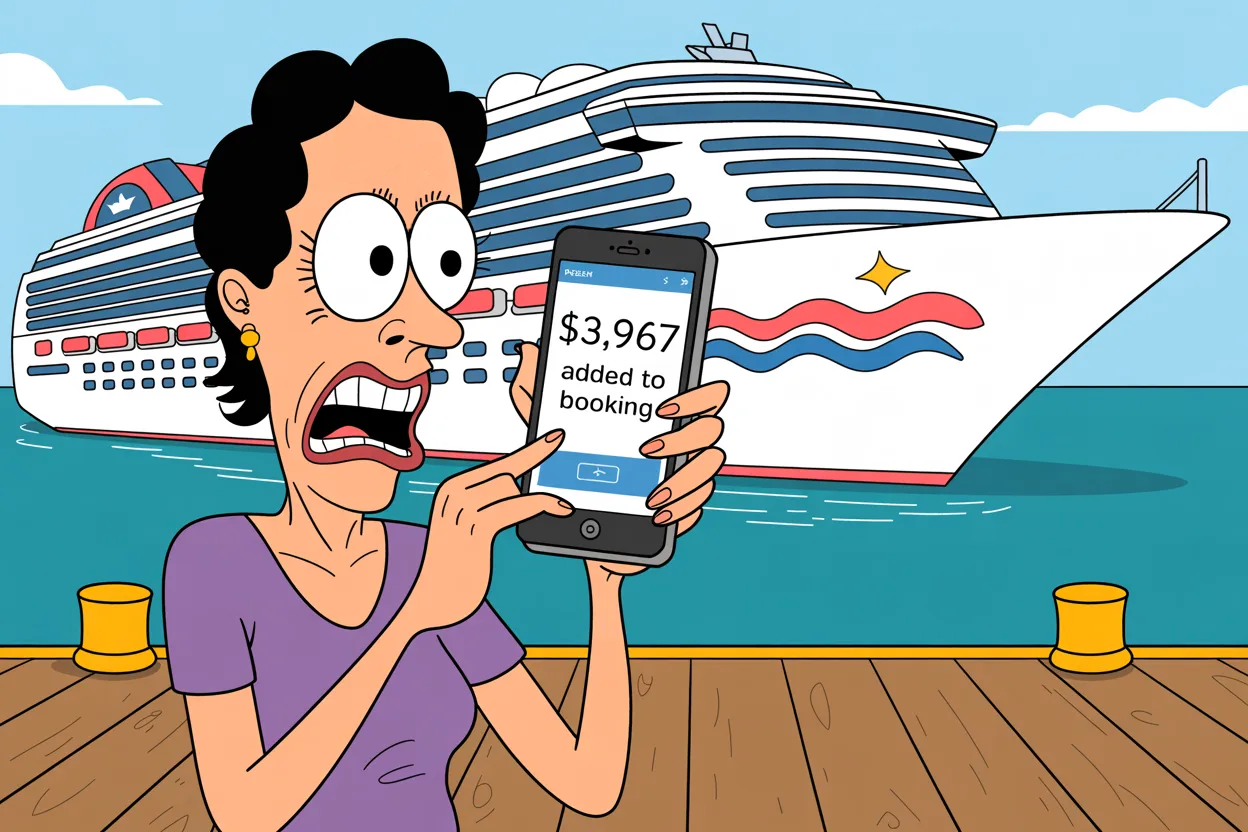
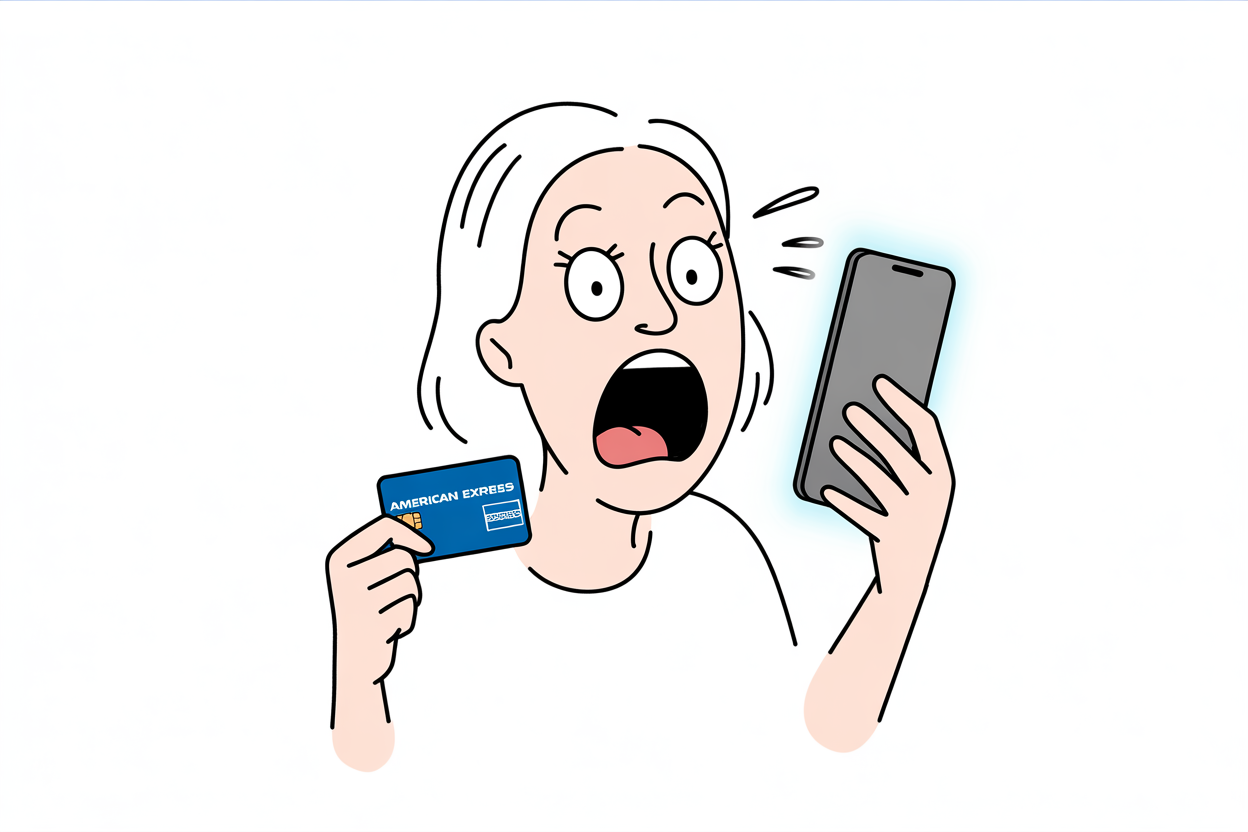
Cartoon of an alarmed woman holding an American Express card in one hand and a glowing phone in the other.

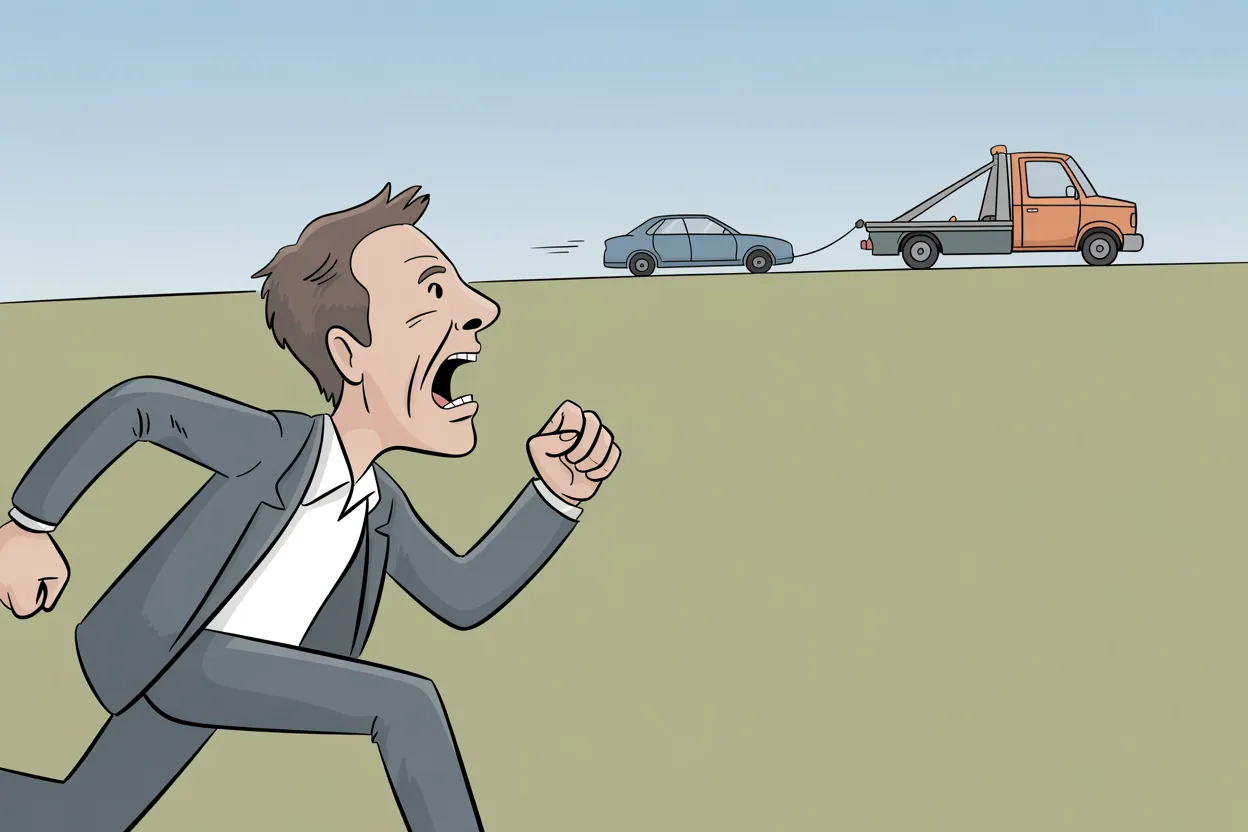
Viva Aerobus canceled my flight. Why did it send my $844 refund to the wrong bank?

Carol Bartell booked a flight from Tijuana to Hermosillo on Viva Aerobus, and the airline canceled it. When she asked for her money back, the carrier would not simply reverse the charge on her American Express card. It insisted on wiring the refund to a US bank account instead. So she looked up a SWIFT code for her credit union online and sent the details across. Two problems followed. Her credit union does not use the SWIFT system at all, and the airline transmitted a different code than the one she had supplied. Her $844 landed at Navy Federal Credit Union, where she is not a member and where nobody could help her. Emails to customer service and to the chief executive went unanswered, so she filed a formal complaint with PROFECO, Mexico’s consumer protection agency.

Cartoon of a woman photographing the front of a rental car with her phone in a parking lot, a Turo sign behind her.

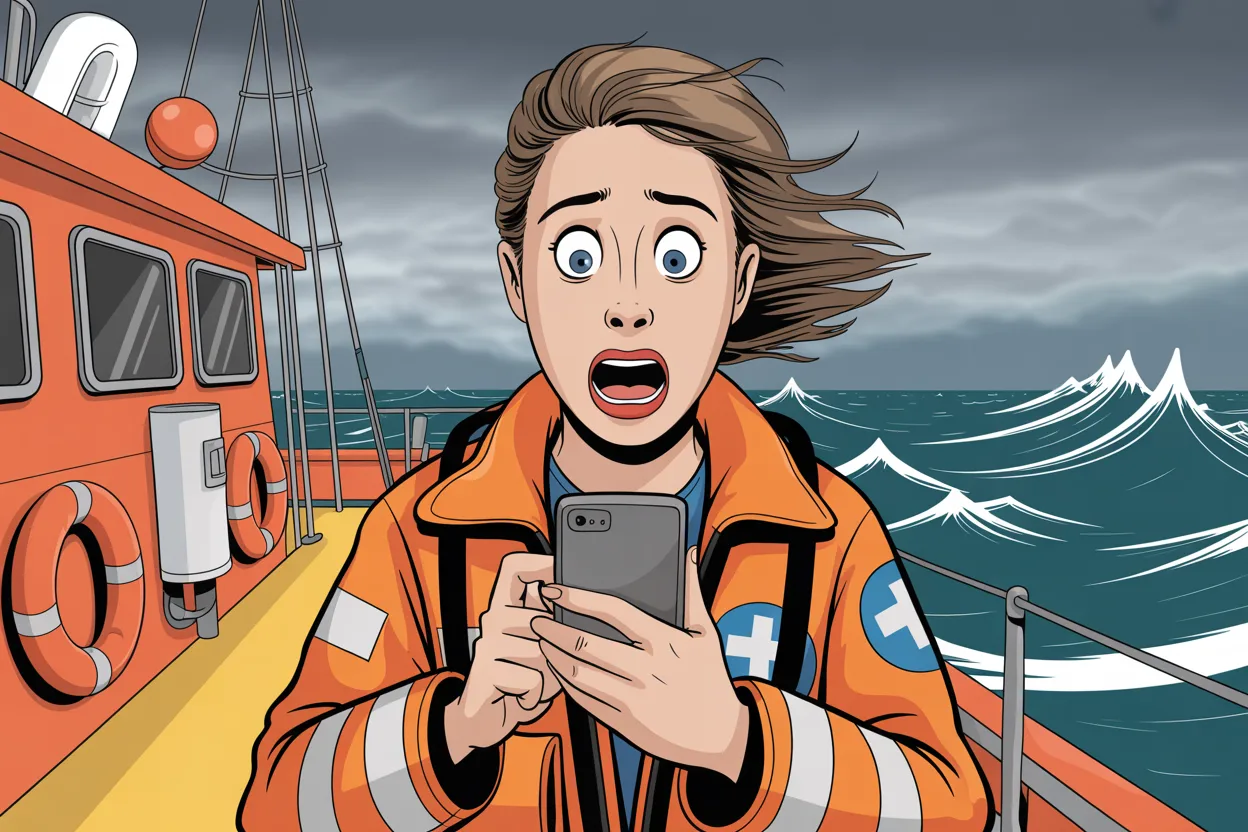
Turo charged me $2,338 for damage I didn’t cause. Can I get a refund?

Georgina Montalvan rented a car through Turo in Los Angeles and dropped it off a day early so she could catch an earlier flight home. The next day a text arrived: the owner said she had damaged it. Turo sent photos showing a scratch on the fender and a small hole in the bumper. But Montalvan had done the one thing that should end an argument like this. She had photographed the car when she picked it up, and her pictures showed the scratch was already there. She sent them in, Turo reviewed the evidence, and the claim was dropped as normal wear and tear. That should have been the end of it. A week later Turo reopened the claim and charged her credit card $660, with no itemized bill. Then came a second invoice, this one for $1,678, for what the company described as hidden damage, illustrated with a photo of a larger hole she says she had never laid eyes on.

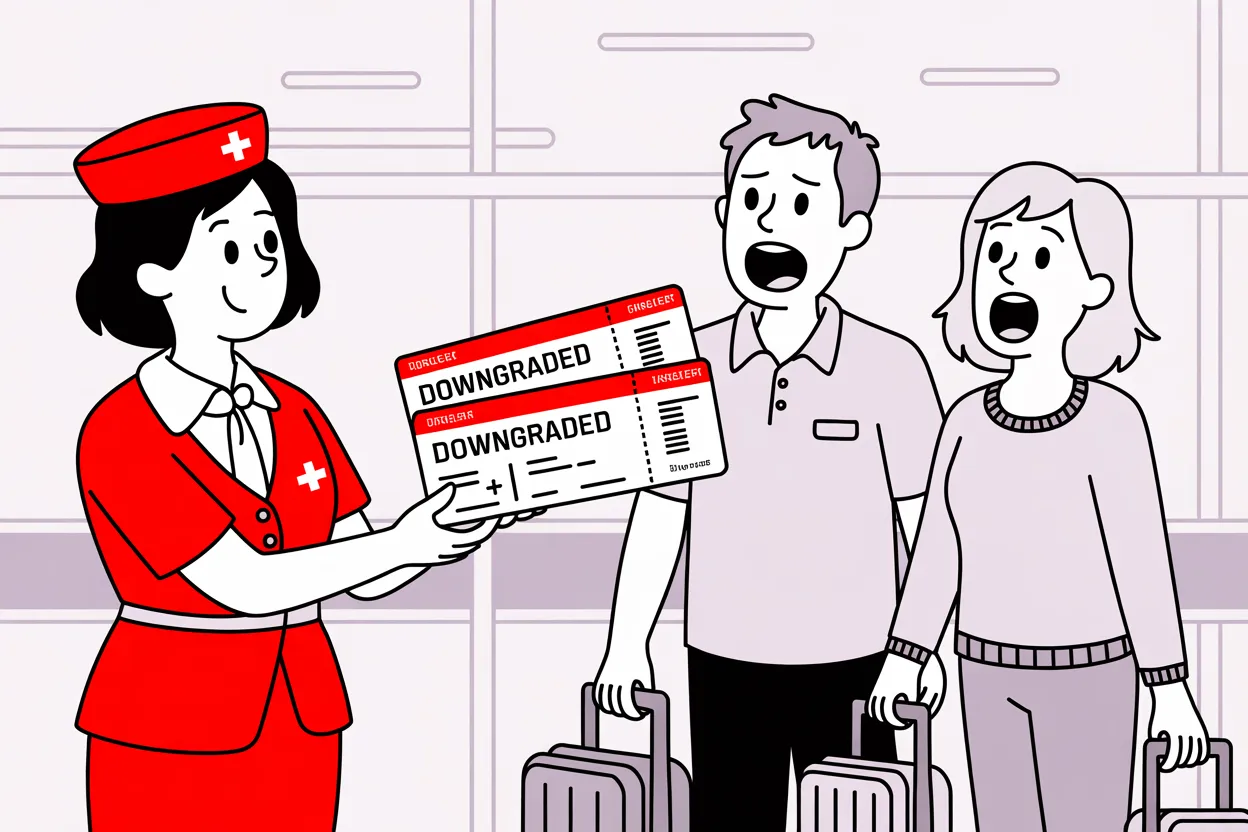
Cartoon of a distressed mother holding a swaddled newborn at an airport counter while an unmoved agent stands with arms crossed.

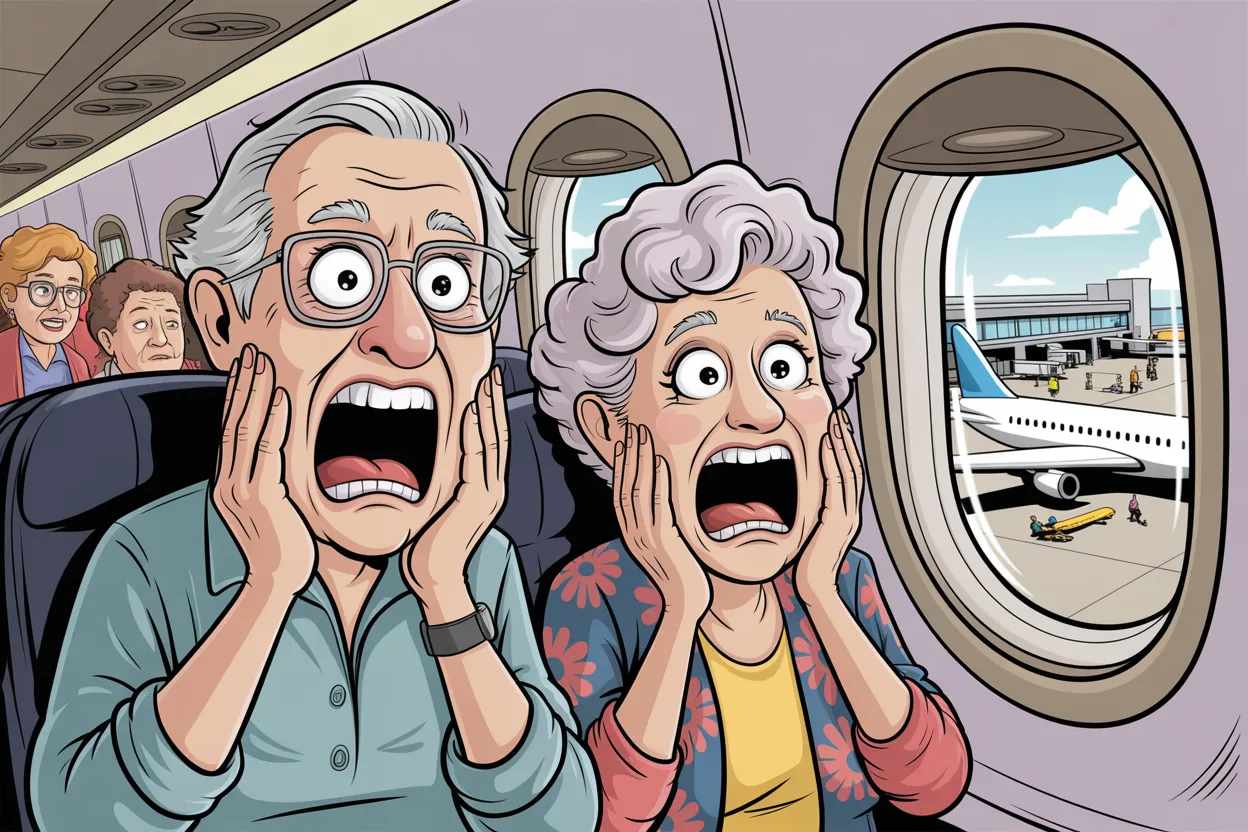
Aeromexico rescheduled my flight and expected me to sleep in an airport with a newborn. Can I get a refund?

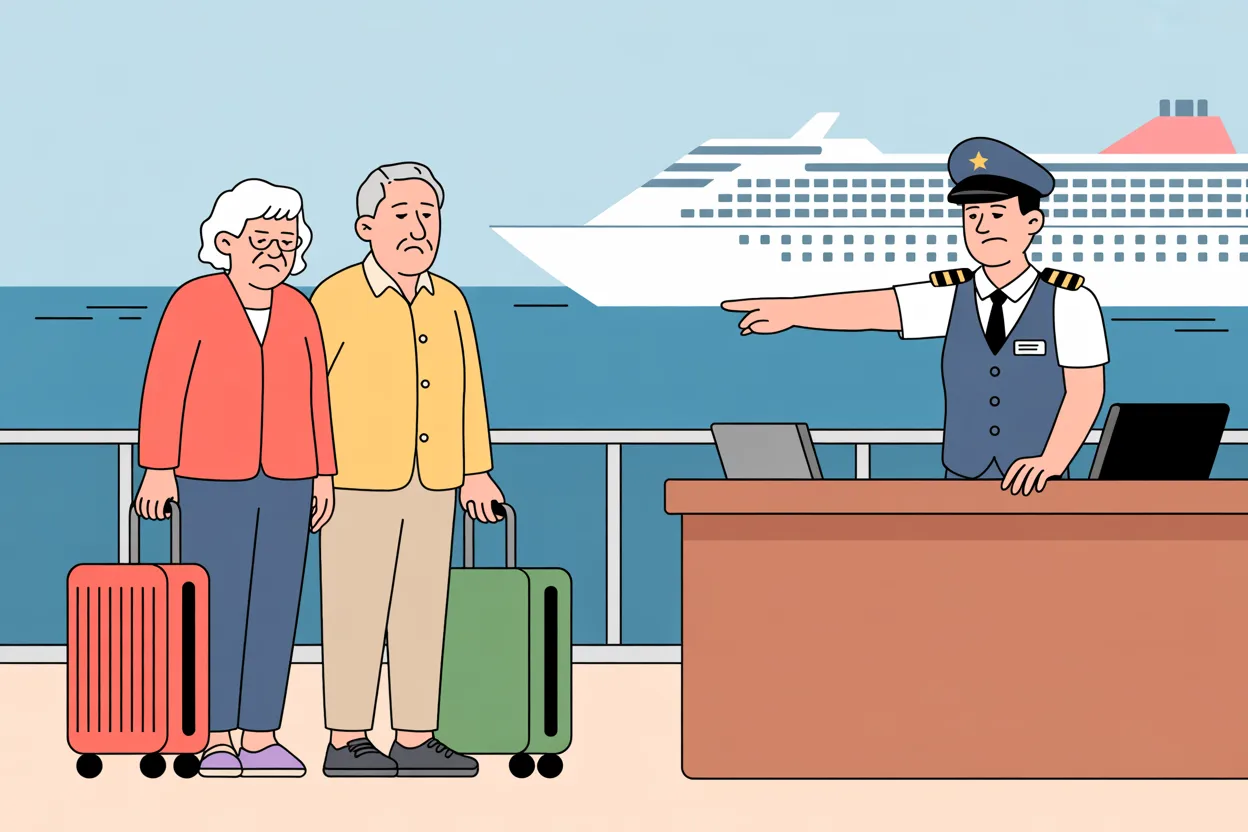
Allison Turpen booked a round-trip Aeromexico flight from Washington, D.C. to Oaxaca, and then the airline moved her connection to the next day. The new itinerary had her landing in Mexico City at 9:30 at night, with the onward flight not leaving until 6:15 the next morning, a layover of more than eight hours. She would be traveling with a newborn, and spending the night in an airport with a baby was not something she could do. So she asked to cancel and get her $1,360 back. She called nearly a dozen times. Aeromexico finally answered, and denied her, pointing to a line in its contract that says flights are subject to change. But Turpen was holding a ticket for a flight departing the United States, which raises a question a lot of travelers never think to ask: when an airline is the one that rewrites your trip, can it really hide behind “subject to change,” or do federal rules say something different?

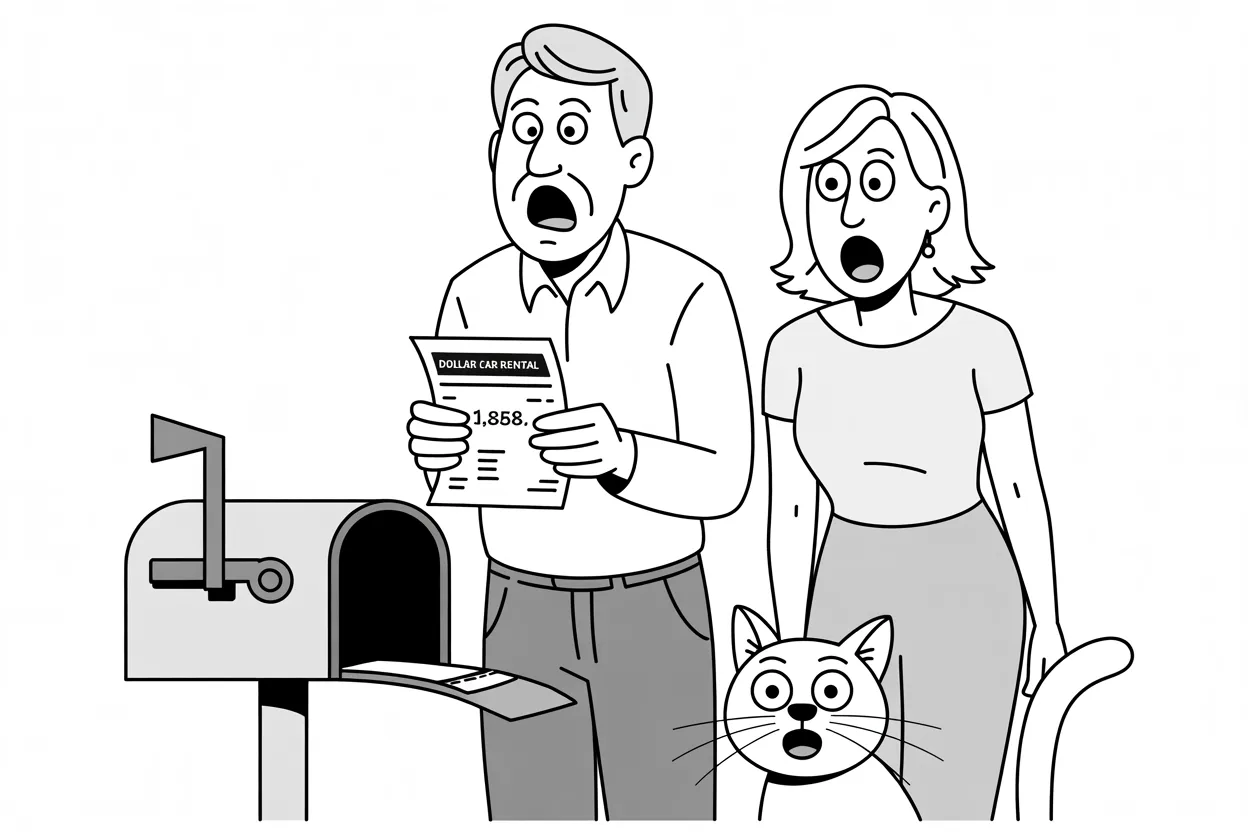
Cartoon of a shocked couple with rolling suitcases at an airport as a grinning airline agent throws up his arms amid floating dollar signs beneath an Aer Lingus sign.

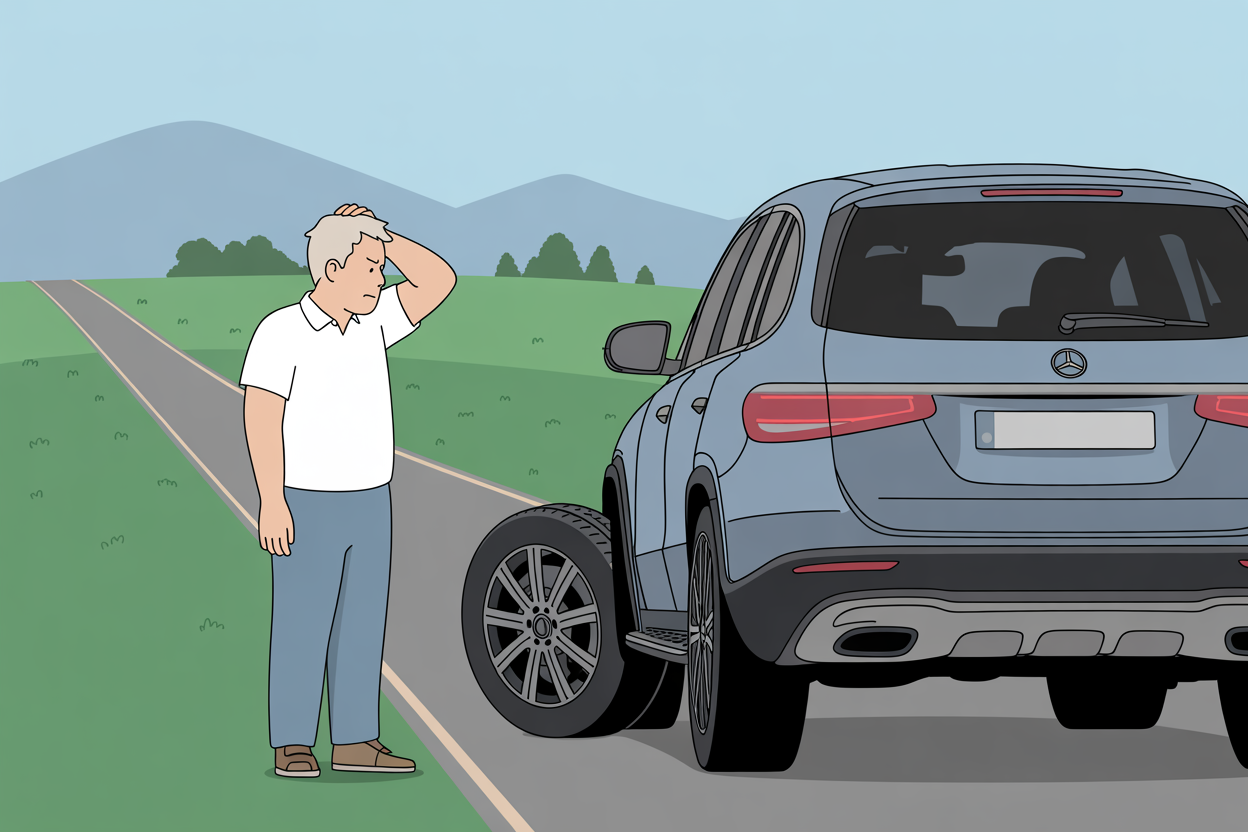
My airline ticket disappeared. Why did I have to pay $8,206 to get home?

Steve Miller thought he and his wife had valid tickets home. He had booked a Minneapolis-to-Dublin roundtrip through Orbitz, and when Aer Lingus canceled a segment, Orbitz rebooked them and confirmed the new itinerary. The My Trips page showed the change. The Aer Lingus app showed them booked. Everything said they were good to go. Then, at the gate in Dublin for the flight home, Aer Lingus refused to let them board, saying Orbitz had never properly confirmed the change. It turns out there is a critical difference most travelers never think about: a reservation holds a seat, but a ticket is the payment for it, and you can have a confirmation code with no valid ticket behind it. In the airline’s computer, the couple existed as passengers who had not technically paid. Stranded overseas and needing to get home that day, Miller was told the only seats left were in business class, at a price that ran into the thousands.