The price on your screen is fiction
What if a grocery store charged you more for milk because it knew how many kids you had? What if a ride app quoted you a higher fare because you had not installed its rival’s app? These are not hypotheticals.
Elliott Advocacy is a nonprofit organization that mediates cases between consumers and businesses. These are commentary articles that detail our efforts and provide educational information for consumers.
What if a grocery store charged you more for milk because it knew how many kids you had? What if a ride app quoted you a higher fare because you had not installed its rival’s app? These are not hypotheticals.
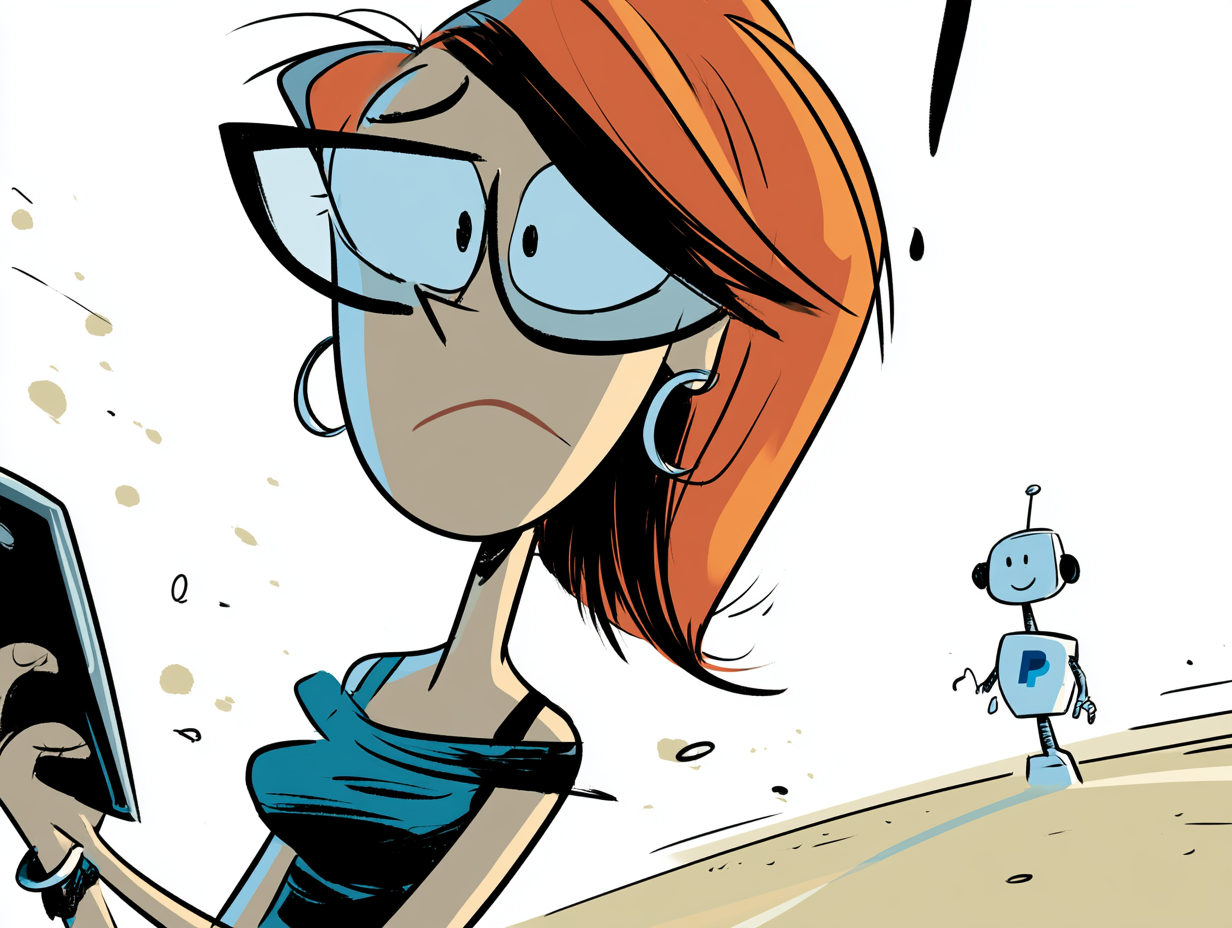
Hackers cleaned out Amy Pollick’s PayPal account. The bot offered to connect her to a human. She typed yes. Then it repeated the offer, word for word. She typed yes again. Four times, the machine promised a person and reneged.
Federal preemption was the last thing on Jamie Baltus’s mind when she booked her tickets from Chicago to Cairo. Then war broke out, her airline refused a refund, and she learned that no state in America can touch an airline.
The federal government has not assessed a single civil penalty against an airline for violating consumer protection rules this year. It has also been closing out formal passenger complaints without enforcement action, including refund demands that had been sitting in the docket since 2020.
Travel websites are asking you to do something strange this summer. They want you to write to Congress and beg lawmakers not to lower your credit card fees. Sites that present themselves as working for consumers are running petition drives against the Credit Card Competition Act, a bipartisan bill that would require the biggest banks to let more than one network process your credit card. The pitch is always some version of protect your rewards, and there is usually a form: fill in your name and ZIP code, and a prewritten letter goes to your representatives. What those drives tend not to mention is who else is making the same argument. The banks run a campaign of their own through their trade group, and the airlines fund another. Swipe fees run roughly 2 to 3 percent of every purchase, merchants build them into their prices, and you pay them whether you notice or not.
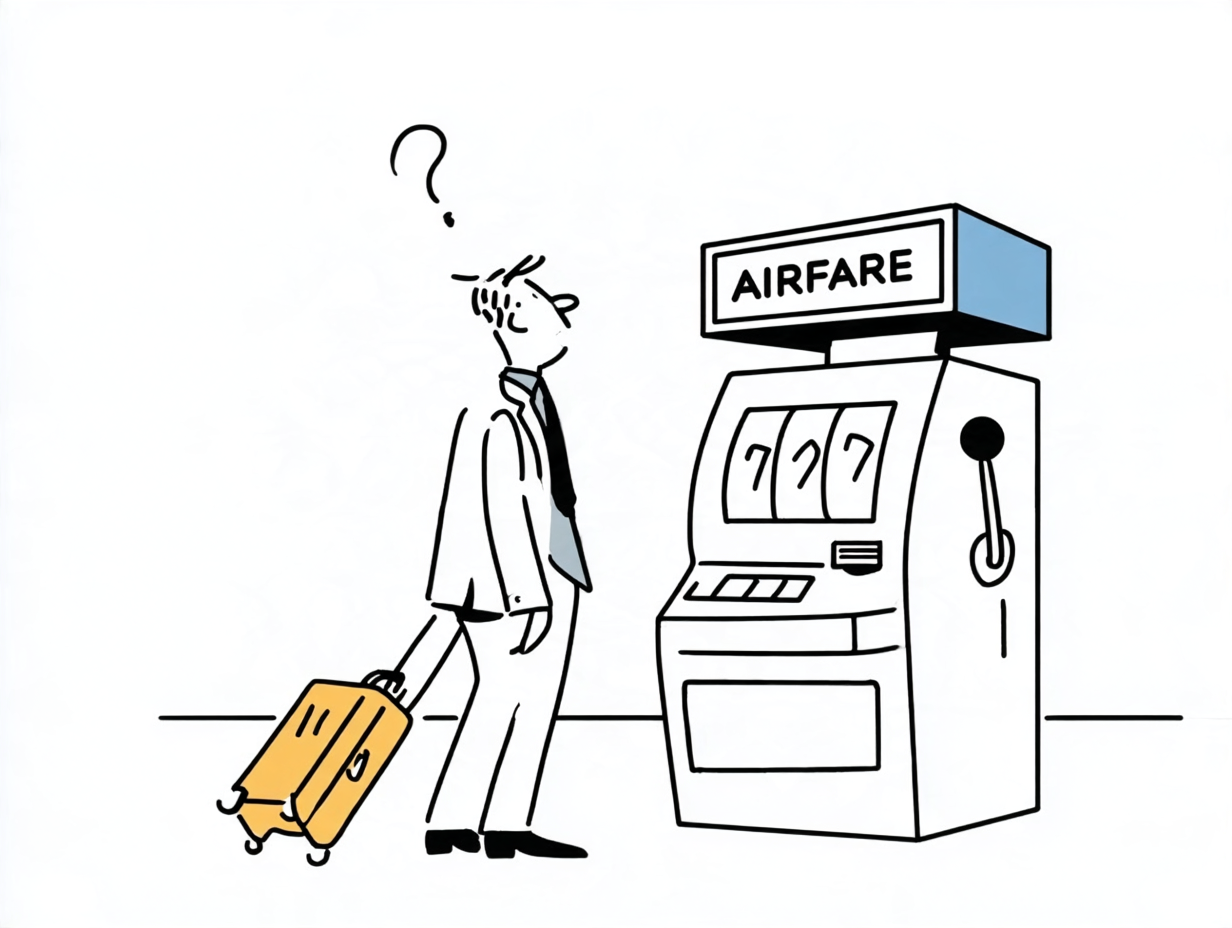
Remember what booking a flight used to be like? You would spot a $99 fare, click it, and then meet the carrier-imposed surcharge. Then the mandatory fuel surcharge. Then, somewhere near the end, the taxes. By checkout, your $99 flight cost $180. In 2011, the Department of Transportation put a stop to it with the full-fare rule, which says the price an airline shows you has to be the price you pay, taxes and fees included, and that the total has to be the most prominent number in the ad. The airlines went to court to kill the rule and lost, and travelers have shopped with confidence ever since. Now that standard is back on the table. The DOT has proposed letting airlines display each piece of a fare just as prominently as the total, and it is separately asking whether the rule should be repealed outright, which would allow advertised fares that leave out taxes and mandatory fees altogether. The department calls the current requirement unnecessarily prescriptive and raises legal questions about it. Consumer advocates answer that a price you cannot actually buy at is not a price.
The FBI has a message for cruise passengers as vacation season begins: if you are assaulted, kidnapped, or sexually assaulted at sea, report it right away. It is good advice. Of course you should report a crime. But the announcement leaves out what happens after you speak up. The law meant to track crime at sea, passed in 2010, counts only a short list of the most serious categories. Its requirements generally reach incidents involving U.S. nationals, which leaves out most crew members and plenty of passengers. Thefts count only above a dollar threshold. And an assault is reportable only if it causes “serious bodily injury,” a term the law never defines, which turns a beating into a judgment call. Here is the part that deserves a longer look: the FBI tells passengers to report incidents to the cruise line, and the cruise line is the one that reports them to the government. A company sells you a safe vacation, then helps decide whether what happened to you counts as a crime worth counting.
Does the TSA want to measure your luggage? You might think so after a viral aviation report warned that the agency’s newer 3D scanners have smaller entry tunnels than the old X-ray machines, and that an oversized carry-on might not fit, potentially sending you back to the counter to check it. Travelers connected the dots fast: the government as the airlines’ baggage enforcer, turning every overpacked bag into a checked-bag fee. It is a textbook case of decoy outrage, a fake scandal that soaks up all the anger a real one deserves. The tunnels are indeed smaller, and the TSA advises asking a screener for help. But there is no algorithm flagging a bag an inch too wide, and no documented wave of passengers being marched back to pay up. If your bag fits and passes screening, it flies. The scanner panic is a non-story. The question it accidentally raises, about a government that already helps airlines keep the true cost of flying out of the advertised price, is not.
America gave the world the modern vacation. But as the United States turns 250, it is on the verge of destroying it. The country pioneered the idea that an ordinary person could go somewhere purely for recreation. The long weekend, the affordable plane ticket, the great American road trip, all of them are U.S. exports. It is hard to overstate what this country did for travel: the world’s first national park, the first scheduled passenger airline, the interstate system that birthed a whole roadside culture, and the radical notion that a factory worker with two weeks off deserved a real vacation too. That is the inheritance. Now look at what we are doing with it, the airlines that treat your carry-on as a revenue line, the rental counter that doubles the online price, and a brand-new fee that quietly changed who gets to walk into a forest that is supposed to belong to everyone.
Peace negotiators may be dotting the i’s on a deal to end the Iran war, but air travelers are paying attention to something else: the cost of their checked bags. Remember when jet fuel prices spiked after the fighting broke out earlier this year? Every major American airline rushed to raise its checked bag fees. United, American, Delta, Southwest, JetBlue, they all went up. The airlines blamed the war, and at the time they had a point, since fuel had roughly doubled. But then the ceasefire came, oil pulled back from its highs, and guess what? Not one airline has announced it is bringing its luggage fees back down. There is a name for this pattern, and once you see how it works, and what Europe just did about bags while U.S. carriers went the other way, the summer ahead at the airport starts to look very different.