Fear of travel is at a high, but the data tells a different story. Here's why your summer vacation is still a safe bet, from peace rankings to airline risk.

No, your summer vacation isn’t going to kill you

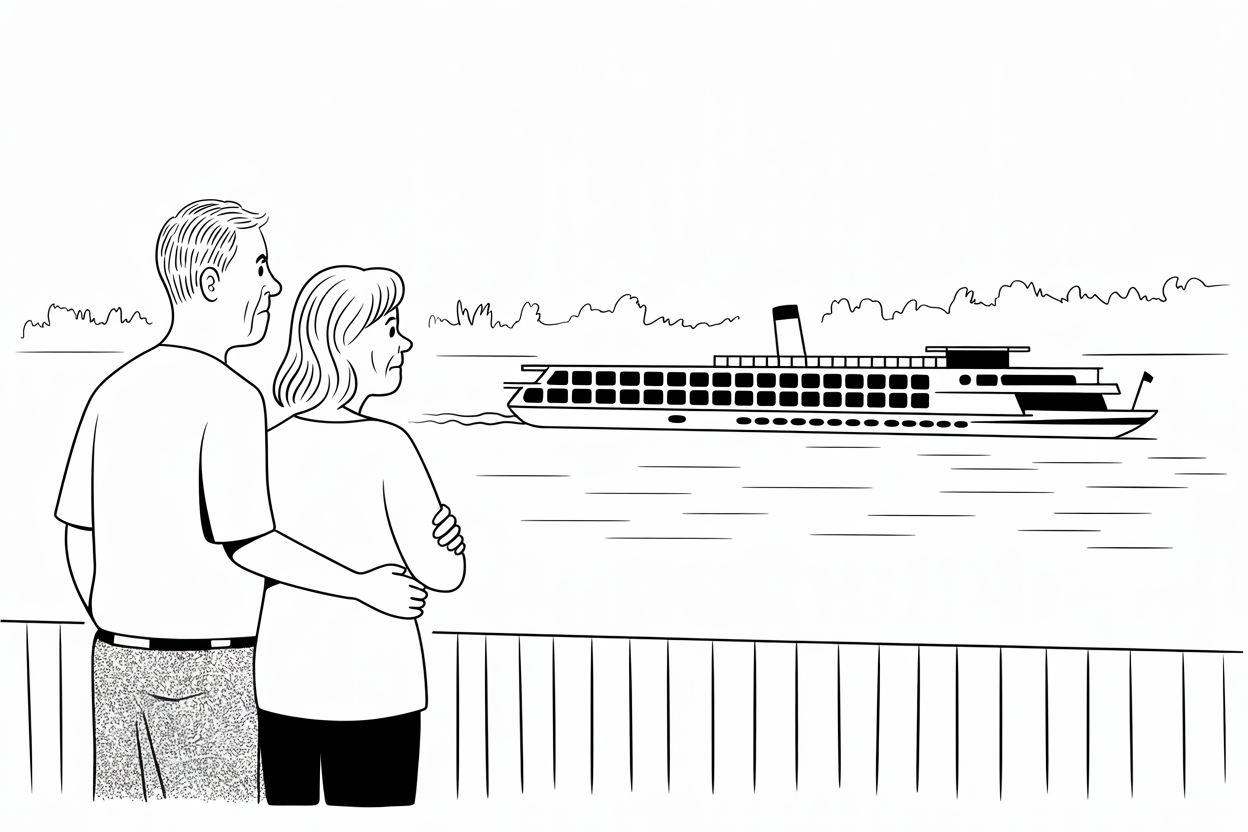
Fear of travel is running high this summer. A reader named Cindy Smith nearly canceled a Danube river cruise and a week in Croatia after reading headlines about a cruise hantavirus outbreak and crew arrests. She is not alone. In a recent Global Rescue survey, less than 1 percent of respondents said their concerns about personal safety abroad had eased since last year, while 56 percent said they felt more concerned. Travelers cite three recurring fears: airlines collapsing mid-trip, dangerous conditions abroad, and anti-American sentiment. Yet the major U.S. carriers such as Delta, United, American, and Southwest remain profitable, and a conflict on one side of a continent does not make the other side unsafe.

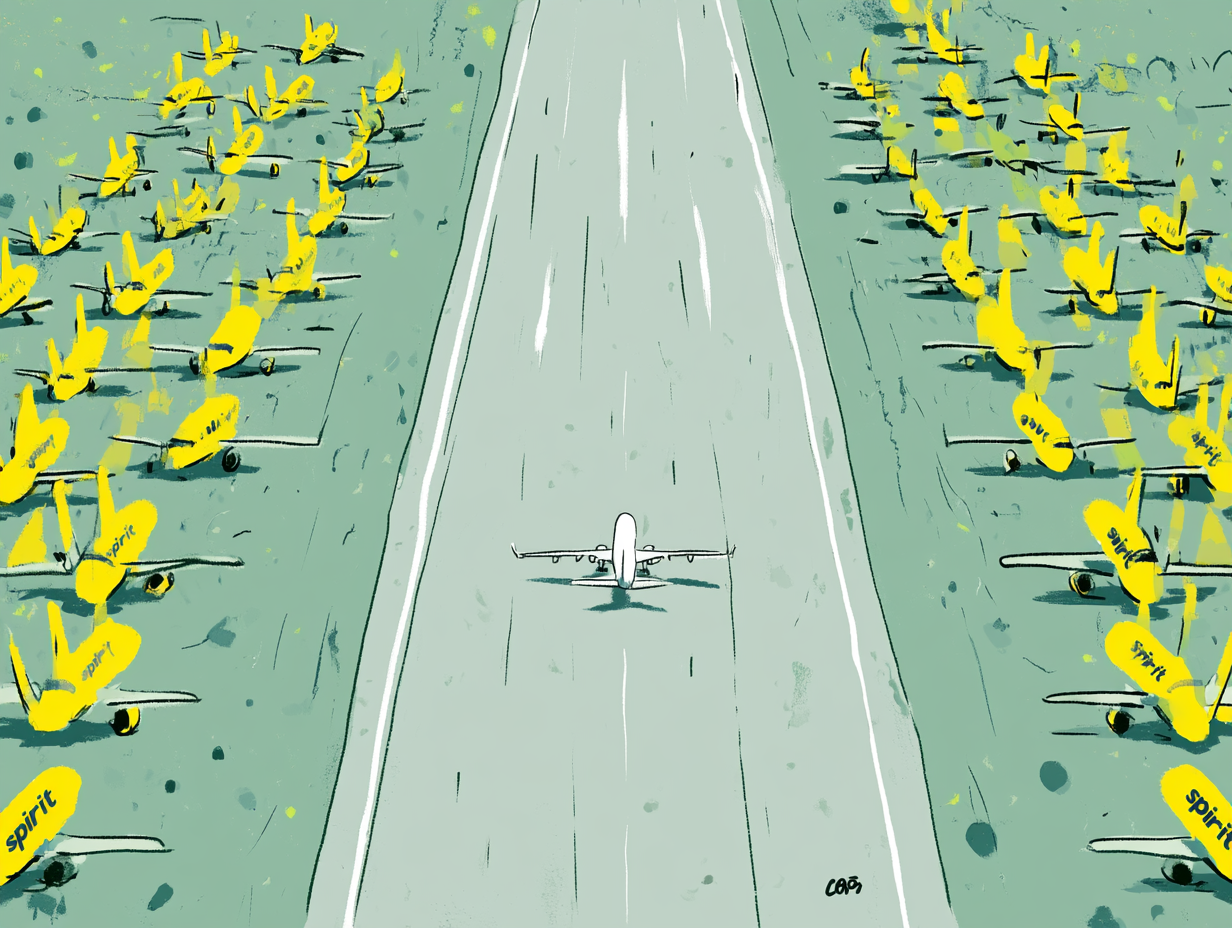
Editorial illustration showing a single white airplane taking off down a runway between two large fields of grounded yellow Spirit Airlines aircraft on either side, viewed from behind, illustrating how thousands of Spirit Airlines passengers were left stranded after the carrier's shutdown while one rescue flight departs without them

Spirit Airlines’ death shows why we need better passenger protections

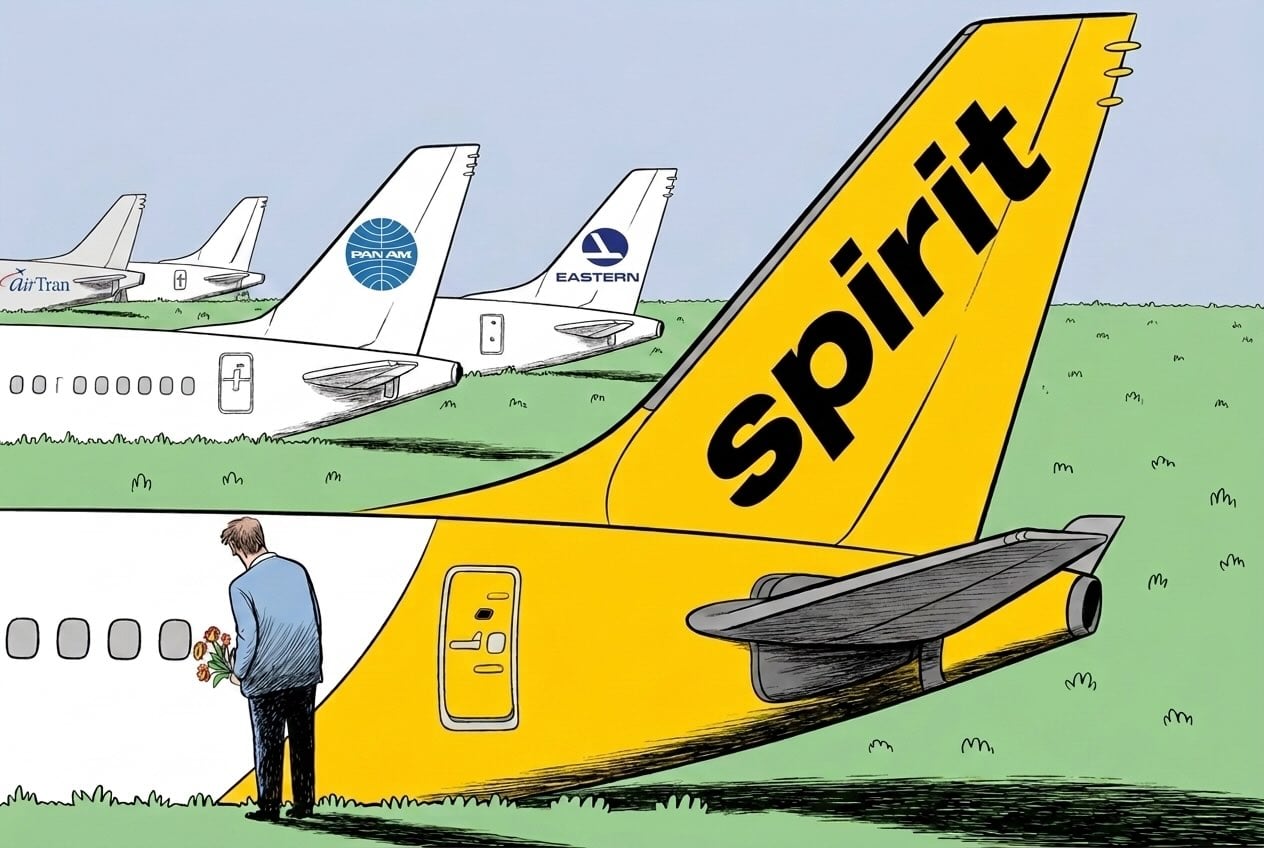
Tens of thousands of Spirit Airlines passengers discovered their tickets were worthless this week after the carrier collapsed. JetBlue is reportedly in financial distress and several ultralow-cost carriers including Frontier, Allegiant, and Avelo have lined up at the federal aid window. Before deregulation in 1978, Rule 240 required airlines to put stranded passengers on a competitor’s next available flight at no extra cost. Congress brought a version back as Section 145 of the Aviation and Transportation Security Act after 9/11, but it expired in 2005. The DOT issued Order 2026-5-1 encouraging rescue fares but cannot compel airlines to honor competitor tickets without congressional action.

So long, Spirit Airlines. Should the government have saved you?

Spirit Airlines has begun an orderly wind-down of operations, effective immediately. Every flight has been canceled and customer service is closed. The shutdown comes after the Trump administration’s $500 million rescue plan, which would have given the federal government an unprecedented 90 percent stake in the carrier, fell apart over the weekend. After blocking Spirit’s merger with JetBlue on antitrust grounds in 2024, the federal government spent the past several days weighing whether to essentially own the airline instead. In the end, it did neither, leaving summer ticket holders to fight their credit card companies for refunds.

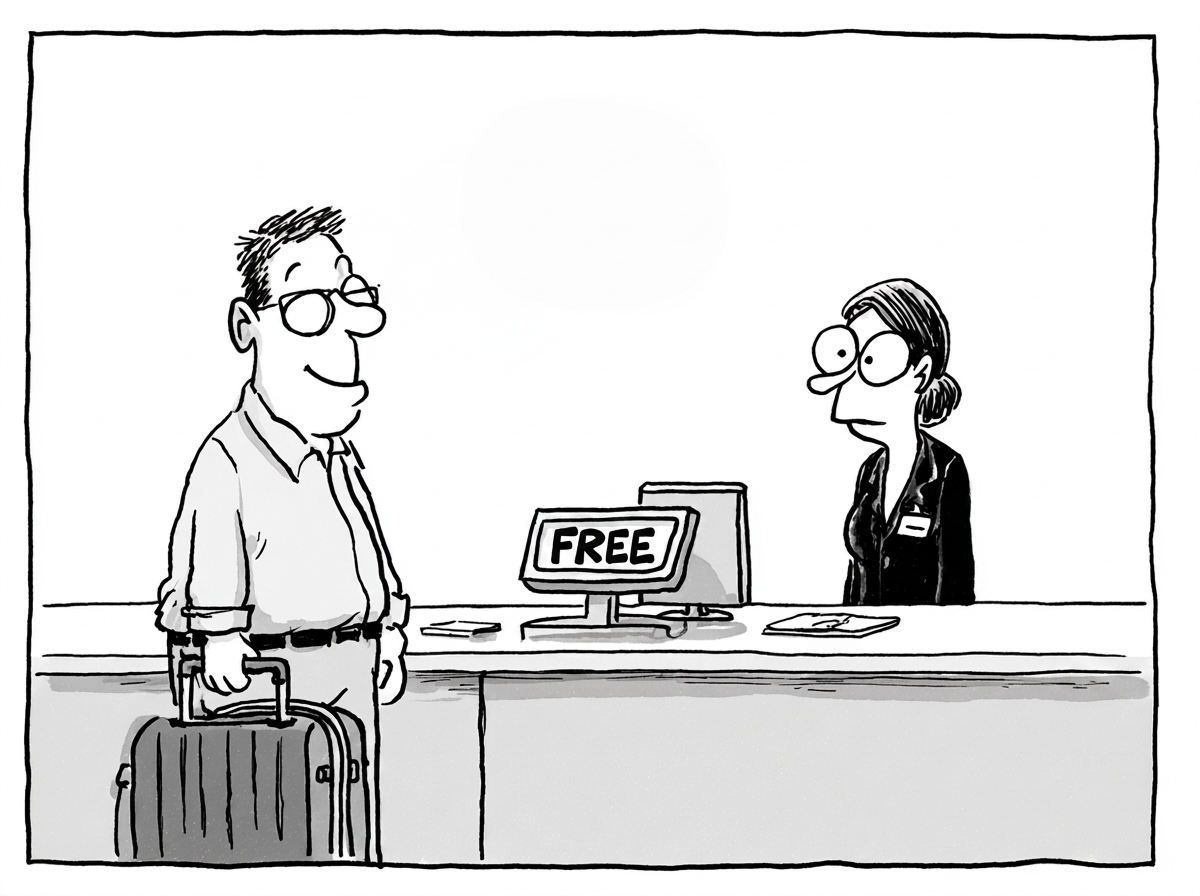
Editorial cartoon showing a smiling passenger with glasses holding a rolling suitcase at an airline check-in counter, where the agent's computer screen displays the word "FREE," illustrating the proposal to make checked bags free as a condition of any Spirit Airlines government bailout

If Spirit Airlines gets a government bailout, bags should fly free

Spirit Airlines has reportedly asked the Trump Administration for $360 million in emergency funding as jet fuel prices doubled following the Iran conflict. After 9/11, Congress provided $5 billion in grants and $10 billion in loan guarantees to airlines. The COVID-19 Payroll Support Program delivered over $50 billion with conditions including killed change fees, capped executive pay, and restricted buybacks. Any new bailout should require Spirit to include one free checked bag in every fare for a minimum of five years, making taxpayer support deliver tangible passenger benefits.

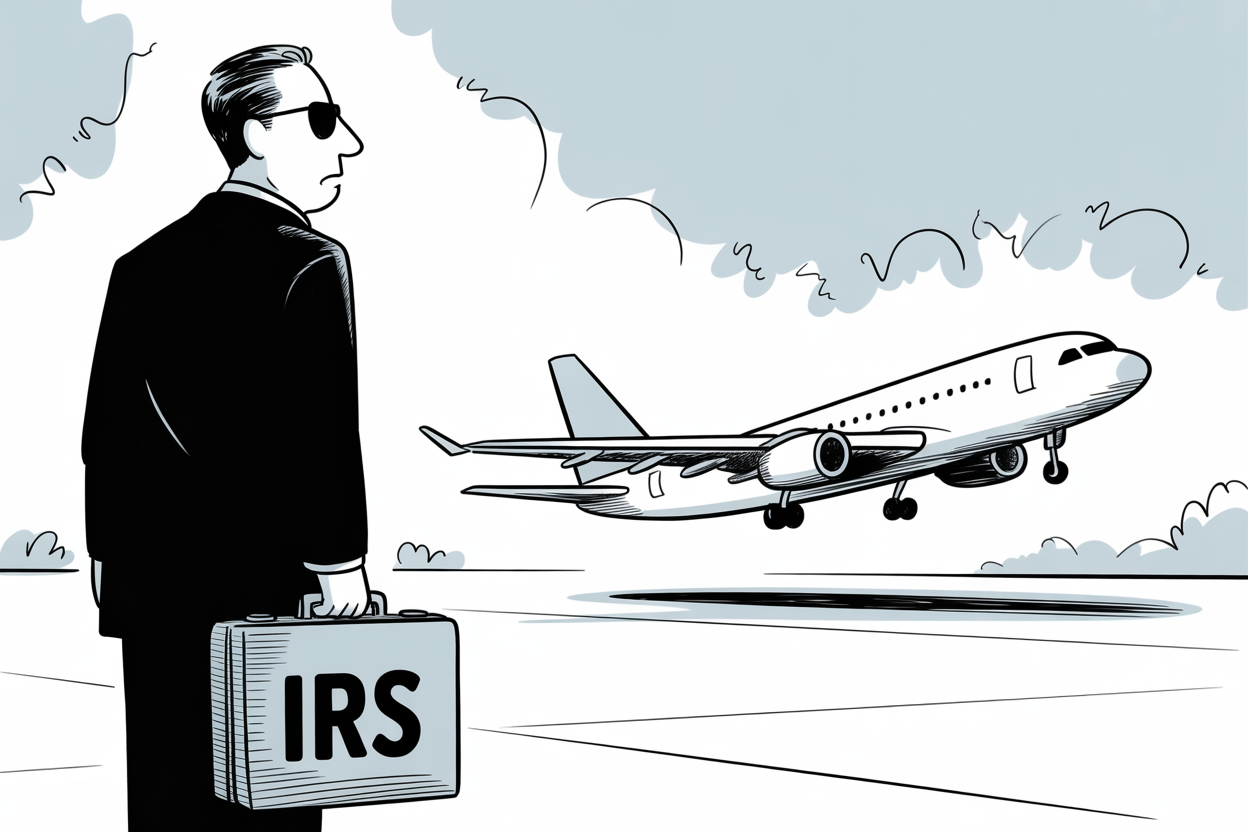
Editorial cartoon showing an IRS official in a dark suit holding a briefcase labeled "IRS" watching a commercial airplane taking off, depicting the tension between tax authorities and budget airlines seeking a tax holiday during the jet fuel crisis

Budget airlines want a tax holiday—but where’s yours?

The Association of Value Airlines, representing Spirit, Frontier, and Allegiant, is asking Congress to suspend the 7.5 percent federal excise tax on domestic tickets and the $5.30 per-segment fee, citing the jet fuel crisis following the Iran war. On a typical $369 roundtrip fare, passengers already pay roughly $47 in mandatory taxes and fees, inflating ticket prices by about 13 percent. Without a requirement to pass savings to consumers, any tax holiday would function as a corporate subsidy rather than traveler relief.