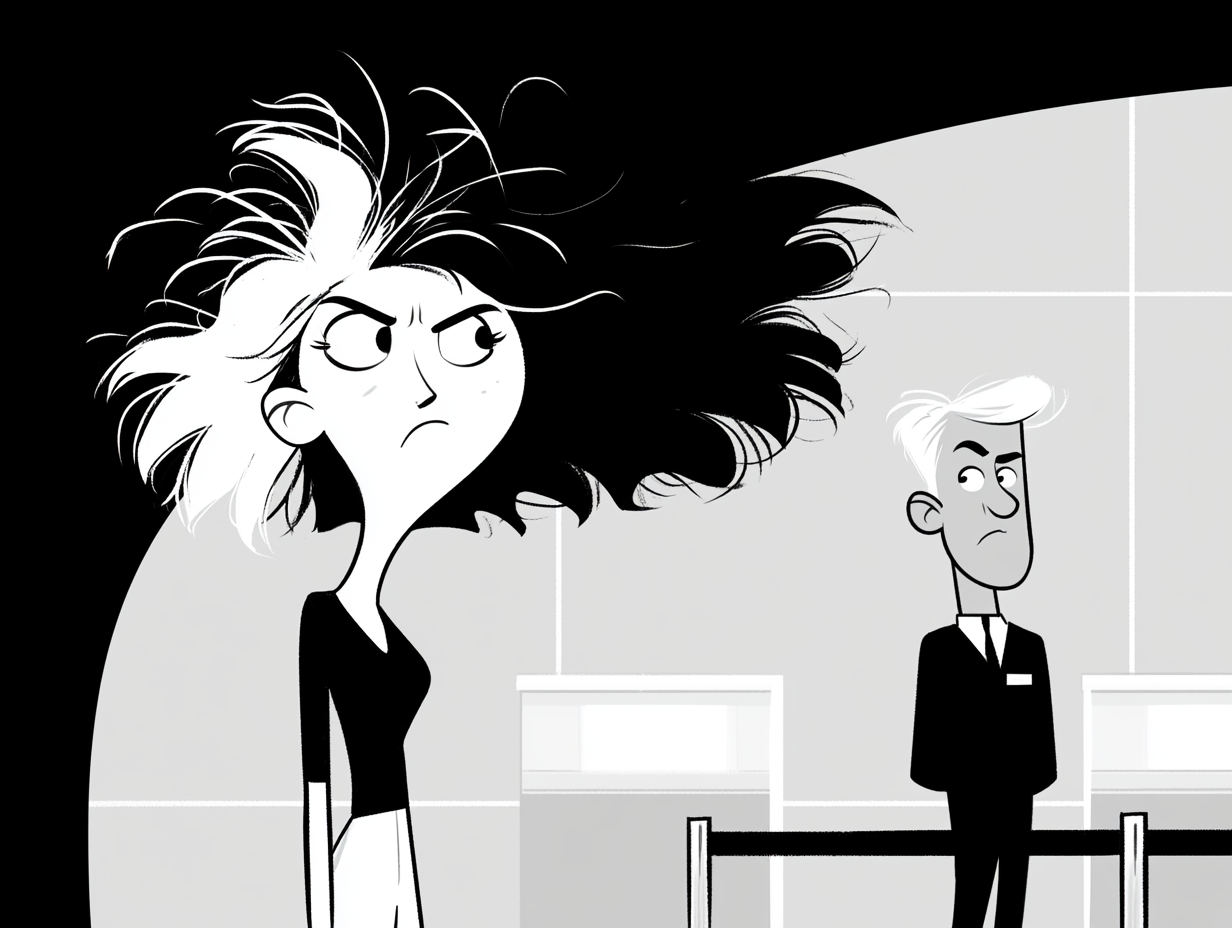
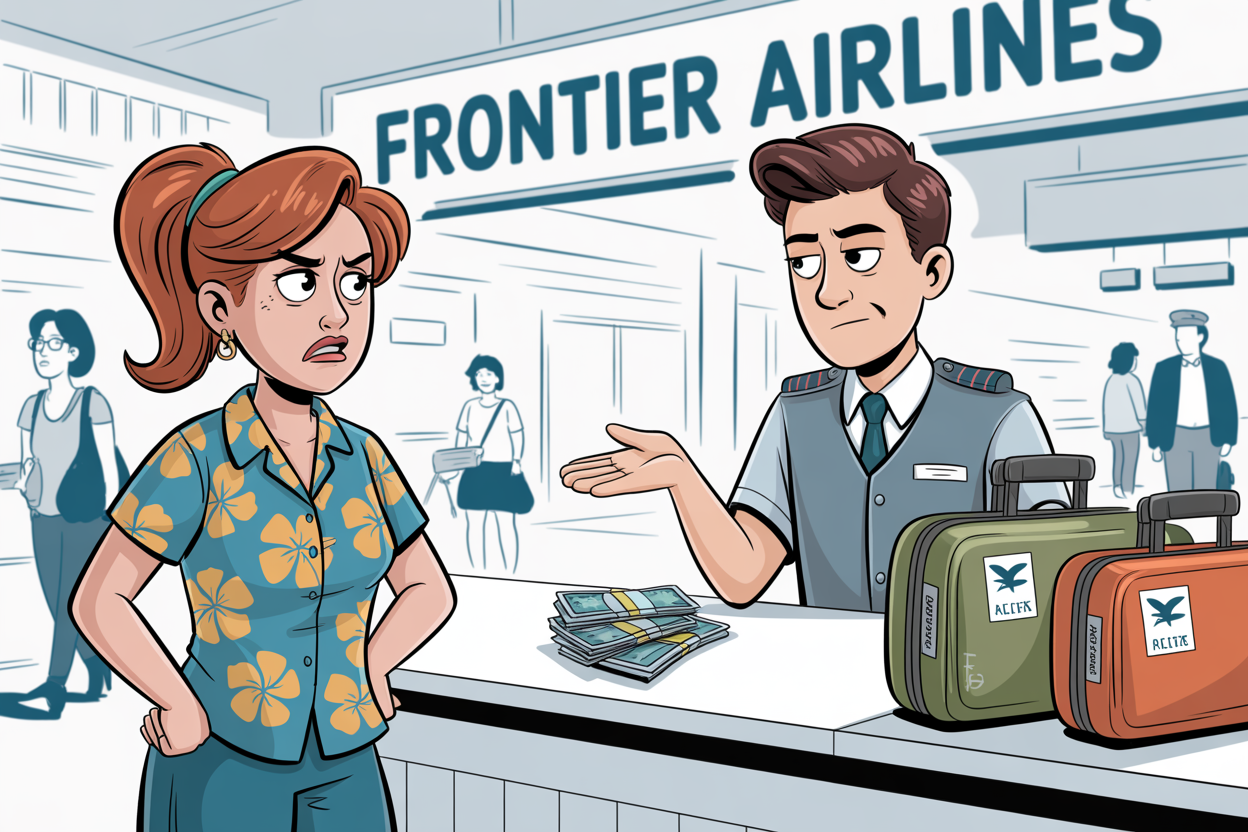
Black and white cartoon of a woman with wild, disheveled hair glaring angrily near an airport check-in counter as a wary uniformed agent watches her from behind the desk. airline blacklist

Is it time for an international blacklist of problem passengers?

If an airline bans you for screaming at a flight attendant or trying to open a door at altitude, you can usually walk to a competitor’s counter and buy a ticket. Britain wants to put an end to that, and its actions may ripple across the Atlantic. The Department for Transport and the Home Office are reportedly working on a national system that would let UK airlines share details of serious offenders, so a person barred by one carrier could be flagged at check-in by another. A trade group has welcomed it, and a budget carrier has been lobbying for exactly this kind of database. On its face it sounds like common sense: keep the dangerous few off everyone’s planes. But a shared ban list raises harder questions than the headlines admit, starting with the ones that decide whether it protects passengers or quietly turns into something else: who decides who belongs on it, what counts as unruly, and if an airline flags you and you think it is wrong, who exactly do you appeal to?
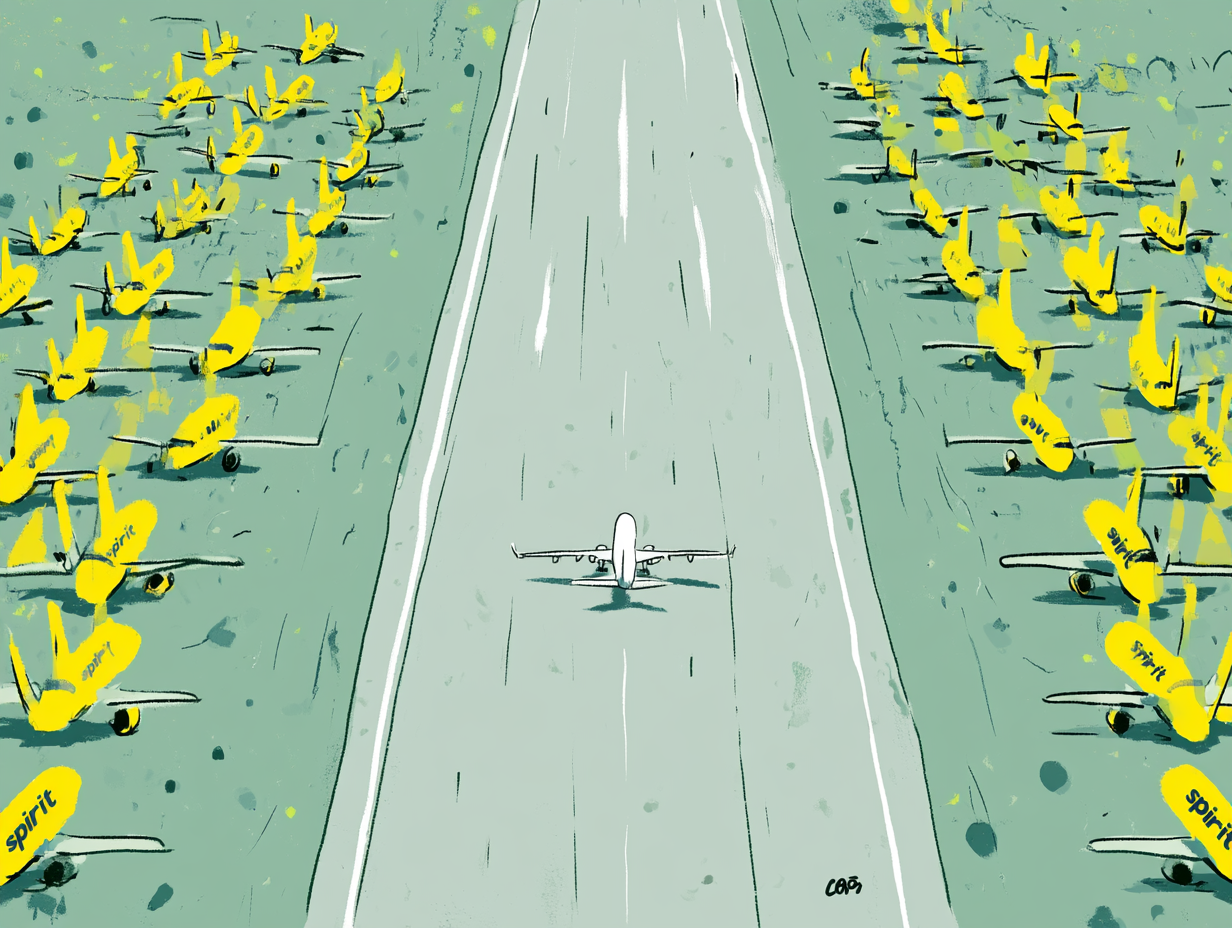
Editorial illustration showing a single white airplane taking off down a runway between two large fields of grounded yellow Spirit Airlines aircraft on either side, viewed from behind, illustrating how thousands of Spirit Airlines passengers were left stranded after the carrier's shutdown while one rescue flight departs without them

Spirit Airlines’ death shows why we need better passenger protections

Tens of thousands of Spirit Airlines passengers discovered their tickets were worthless this week after the carrier collapsed. JetBlue is reportedly in financial distress and several ultralow-cost carriers including Frontier, Allegiant, and Avelo have lined up at the federal aid window. Before deregulation in 1978, Rule 240 required airlines to put stranded passengers on a competitor’s next available flight at no extra cost. Congress brought a version back as Section 145 of the Aviation and Transportation Security Act after 9/11, but it expired in 2005. The DOT issued Order 2026-5-1 encouraging rescue fares but cannot compel airlines to honor competitor tickets without congressional action.